
KardiaMobile
4.4Editor score
Simple spot-check device
Results in 30 seconds
No Bluetooth needed
This guide compares the best heart rate monitors for arrhythmia detection featuring clinical accuracy, ease of use, and continuous tracking capabilities for
Monitoring your heart rhythm is essential for managing arrhythmia effectively. The right device provides accurate data to share with healthcare providers. We review top models designed for personal use and clinical-grade insights.
We compared devices based on accuracy, ease of use, and features like continuous monitoring. Our list includes FDA-cleared EKGs and smart wearables suitable for daily tracking at home or during exercise.
Each pick highlights key strengths and potential limitations to help you choose wisely. Prices and availability change frequently so verify current details before purchasing. These tools empower proactive heart health management.
4.4Editor score

4.4Editor score

3.6Editor score
Compare key features across our top ten heart rate monitors for arrhythmia. This side-by-side view highlights lead count, subscription needs, and monitoring styles to help you find the perfect match.





The KardiaMobile 6L EKG is a top-tier personal heart monitoring device that delivers medical-grade six-lead EKGs directly to your smartphone. With an impressive rating from users, it stands out for its ability to detect AFib and other arrhythmias quickly without requiring a membership.
We may earn a commission when you buy through this link, at no additional cost to you.
Its key strength lies in providing six times more data than standard single-lead devices. This detailed view helps users capture more comprehensive heart rhythm information to share with their doctors. The device is FDA-cleared and trusted by professionals for reliable home health tracking.
While highly accurate, it does require placing fingers on specific electrodes for 30 seconds which may take practice. It is also not recommended for users with pacemakers or ICDs. These trade-offs are acceptable given the clinical-quality data it provides at home.
Anyone seeking detailed heart rhythm insights without ongoing costs should choose this model. It is ideal for proactive individuals who want FDA-cleared data to discuss with their healthcare providers during regular checkups.
The six-lead system captures more electrical activity from the heart than typical two-lead devices offering a broader diagnostic view.
Unlike some competitors this device works fully without a recurring membership fee making it cost-effective for long-term monitoring.
We may earn a commission when you buy through this link, at no additional cost to you.
The KardiaMobile is a budget-friendly personal EKG device that provides quick and reliable heart rhythm checks. Users appreciate its simplicity as it does not require Bluetooth or Wi-Fi connections to function. It offers a straightforward way to monitor heart health at home.
We may earn a commission when you buy through this link, at no additional cost to you.
Its main advantage is ease of use placing fingers on the sensors yields results in just 30 seconds. This makes it ideal for spot-checking when you feel symptoms without needing a complex setup. It is a trusted entry point into personal heart monitoring.
However it provides less data than six-lead models which might limit detailed diagnosis. It is best for those who need occasional checks rather than deep analysis. The lack of connectivity features may be a downside for tech-savvy users.
This model is perfect for anyone needing an affordable way to track basic heart rhythm changes. It serves well as a first step in monitoring irregularities before consulting with a medical professional.
No cables or apps are strictly required to get a reading making it accessible for all age groups and tech levels.
With no hidden fees this device offers an economical solution for basic heart rhythm screening without subscription commitments.
We may earn a commission when you buy through this link, at no additional cost to you.
The KardiaMobile 6L Max offers a comprehensive monitoring solution that includes a one-year KardiaCare membership. This model combines a six-lead EKG with access to board-certified cardiologist reviews. It is designed for users who want professional analysis of their heart rhythms.
We may earn a commission when you buy through this link, at no additional cost to you.
Its key strength is the ability to detect over twenty arrhythmias and share results via email automatically. Users can tag recordings with context such as exercise or dizziness to spot trends over time. This level of detail supports proactive heart health management.
A potential drawback is that after the first year you must renew the subscription to continue using advanced features. This adds to the long-term cost compared to devices without membership requirements. It is best for those comfortable with subscription models.
Choose this device if you want access to professional cardiologist reviews along with your own monitoring data. It is ideal for serious health watchers who value expert analysis of their recorded EKGs.
The included membership allows you to send EKGs to cardiologists for expert interpretation within twenty-four hours.
You can tag recordings with lifestyle details to identify patterns and share comprehensive reports with your physician.
We may earn a commission when you buy through this link, at no additional cost to you.
The EMAY 6L Portable ECG is a versatile device that records six-channel ECG signals for detailed heart analysis. It connects via Bluetooth to smartphones or USB to PCs offering flexibility in how you view and store data. Users appreciate the absence of hidden costs.
We may earn a commission when you buy through this link, at no additional cost to you.
Its strength lies in compatibility with both mobile and desktop systems allowing for case reviews and data uploads. This makes it useful for sharing detailed logs with healthcare providers who might prefer PC-based analysis. The built-in battery ensures long usage between charges.
While feature-rich the device lacks FDA clearance which some users may prefer for clinical assurance. The software experience might require a learning curve compared to simplified consumer devices. These are manageable trade-offs for the level of control provided.
This monitor is suitable for users who want flexible data storage and connectivity without subscriptions. It is a strong option for those comfortable with desktop software to analyze their heart rhythms.
Connect to PC via USB or phone via Bluetooth to review and store case data according to your preference.
Enjoy all core recording and analysis features without needing a recurring membership plan for basic functionality.
We may earn a commission when you buy through this link, at no additional cost to you.
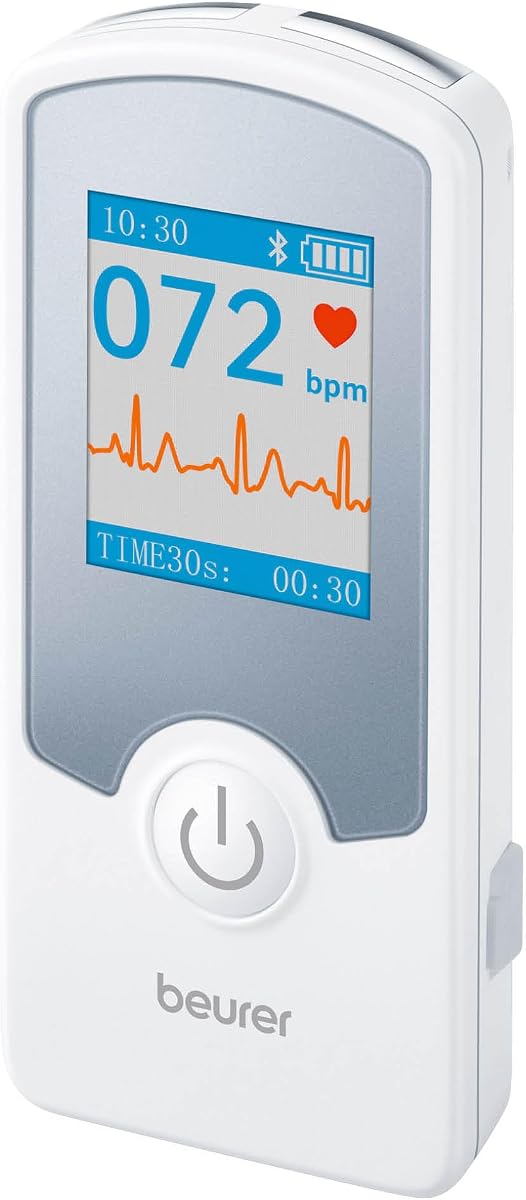
The Beurer Cardio Companion EKG is a German-engineered device that delivers FDA-cleared heart rhythm results in under 30 seconds. It features a bright color display for immediate feedback and allows multiple measurement modes for versatility. The app is optional but available for unlimited storage.
We may earn a commission when you buy through this link, at no additional cost to you.
Its key strength is the flexibility to measure hand-to-hand hand-to-wrist or other modes to suit comfort. The device stores up to 100 readings locally making it independent of constant connectivity. This reliability makes it a practical choice for regular home checks.
It does not require a subscription and the app is free which keeps long-term costs low. However the three-lead system is less detailed than six-lead options. For most users seeking basic arrhythmia screening this balance is appropriate.
Buy this monitor if you want a reliable easy-to-use device with local storage capabilities. It is ideal for individuals who prefer simplicity but still want access to health tracking features.
Choose between hand-to-hand hand-to-wrist or other modes to find the most comfortable way to capture readings.
The free Bluetooth app offers unlimited storage and tracking if you choose to connect it for advanced insights.
We may earn a commission when you buy through this link, at no additional cost to you.
Bioheart provides a continuous 24/7 heart monitoring solution that captures every heartbeat anywhere you go. Unlike spot-check devices it offers uninterrupted medical-grade insights for comprehensive heart health analysis. This wearable chest strap is designed for comfort during sleep and exercise.
We may earn a commission when you buy through this link, at no additional cost to you.
Its main advantage is the ability to detect intermittent arrhythmias that might be missed by brief checks. The app delivers AI-driven real-time insights and allows easy sharing of PDF reports with physicians. This continuous data stream supports proactive care discussions.
A subscription is required after the first month which adds to the ongoing cost. Some users may find the strap less comfortable than optical wearables. However for those needing continuous data this trade-off is necessary for comprehensive tracking.
Choose this device if you require continuous monitoring to catch irregular rhythms reliably. It is best for users who want detailed logs to share with specialists for advanced diagnosis.
Monitor your heart continuously day and night to capture arrhythmias that only occur sporadically during sleep or stress.
Advanced AI algorithms analyze your data to provide real-time summaries and actionable health insights.
We may earn a commission when you buy through this link, at no additional cost to you.
The HaSoCare EKG monitoring device is a compact tool that records professional ECG data to help monitor heart health in real time. It weighs only 60 grams making it easy to carry for travel or daily use. You can view instant results in 30 seconds without needing a subscription.
We may earn a commission when you buy through this link, at no additional cost to you.
Its key strength is the variety of modes including hand-to-hand hand-to-chest and hand-to-leg for full picture accuracy. The device connects to computers and phones via Bluetooth or cable for easy data sharing. This flexibility helps you keep records for doctor visits.
While functional it has a simpler design compared to premium models with advanced apps. The data transfer might feel less seamless than dedicated apps. Still for quick spot checks this device offers solid performance at a reasonable price.
This monitor is best for users seeking a lightweight portable device for occasional heart health checks. It is ideal for travelers or those who want quick access to heart data without complexity.
The device weighs only 60 grams allowing you to take professional-grade monitoring anywhere you go with ease.
Switch between hand-to-hand hand-to-chest or leg modes to capture different aspects of your heart rhythm.
We may earn a commission when you buy through this link, at no additional cost to you.
The Garmin HRM 200 is a reliable heart rate monitor that transmits accurate real-time heart rate and HRV data to compatible devices. It features a comfortable strap with two size options and offers a user-replaceable battery lasting up to one year. This makes it durable for daily use.
We may earn a commission when you buy through this link, at no additional cost to you.
Its main advantage is the focus on HRV data which helps track recovery and stress over time. While primarily designed for fitness it provides insights into heart variability relevant to overall health. The water resistance ensures it can be worn during workouts.
It lacks direct EKG diagnosis features so it is not a substitute for medical-grade EKG devices. Users looking for clinical rhythm detection may need a dedicated EKG monitor. However for continuous fitness tracking this is a robust tool.
Choose this device if you want long-term reliability and HRV insights during exercise. It is ideal for active individuals who need accurate heart rate data for training optimization.
With up to one year of battery life and a replaceable battery this device minimizes downtime and charging needs.
Built to last with a 3 ATM water rating and machine washable fabric this monitor withstands rigorous activity.
We may earn a commission when you buy through this link, at no additional cost to you.
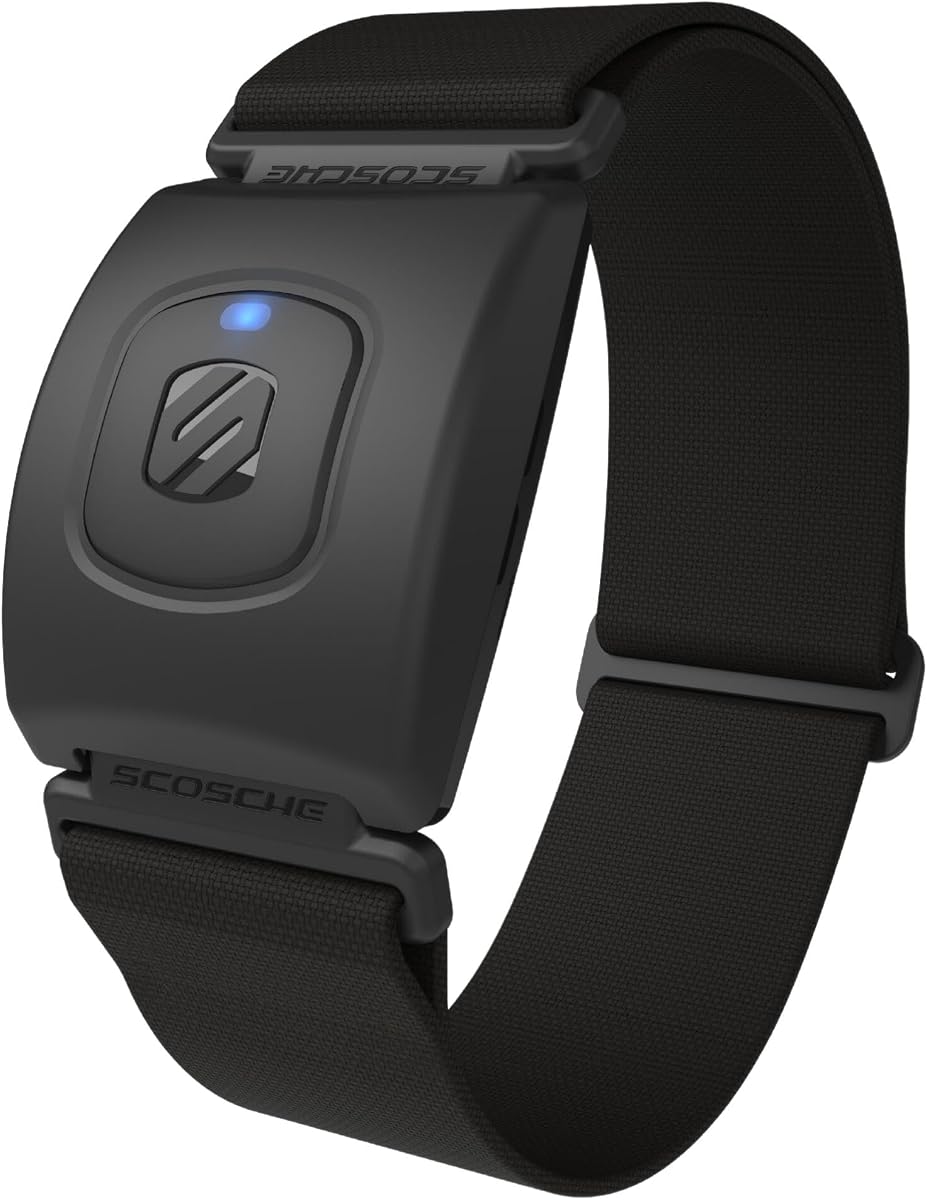
The Scosche Rhythm Heart Rate Armband delivers accurate real-time tracking for workouts and daily activity. It features dual-band radio technology and an optical sensor to measure heart rate variability. The armband design offers comfort and stays secure during intense sessions.
We may earn a commission when you buy through this link, at no additional cost to you.
Its key strength is HRV mode capturing precise RR interval data to track stress and sleep quality. You can stream this data to various fitness apps for deeper insights into your recovery. This makes it useful for monitoring overall wellness trends.
Since it uses optical sensors it is not a direct EKG monitor for diagnosing arrhythmias. It is best for continuous heart rate data during exercise. For medical diagnosis a dedicated EKG device is recommended instead.
This monitor is ideal for athletes who need reliable HRV and heart rate data. It serves well as a fitness companion to track performance and recovery over time.
Capture RR interval data to gain insights into training recovery and daily stress levels with HRV mode.
Pair with both Bluetooth and ANT+ devices to ensure stable connections across different platforms and apps.
We may earn a commission when you buy through this link, at no additional cost to you.
The Polar FT1 Heart Rate Monitor Watch is a classic fitness tool designed to help you stay within target zones. It features a large easy-to-read display and coded transmission to avoid cross-talk with other devices. Simple one-button functionality makes it easy to use.
We may earn a commission when you buy through this link, at no additional cost to you.
Its main advantage is simplicity and reliability for those who prefer basic tracking without complex apps. The watch helps you safely exercise within your heart rate limits providing summary data after workouts. It is durable and straightforward for daily fitness tracking.
However it lacks advanced connectivity and detailed arrhythmia analysis compared to modern smart devices. Users seeking clinical data will find it too basic. Still for fitness guidance it provides consistent and accurate heart rate readings.
Choose this watch if you want a straightforward way to track heart rate zones during exercise. It is best for users who value simplicity and clear display over advanced app features.
The manual heart rate target zone helps you safely exercise within the right intensity for improved fitness.
Coded transmission ensures your watch receives only your strap signal avoiding interference from nearby devices.
We may earn a commission when you buy through this link, at no additional cost to you.
Choosing the right heart rate monitor for arrhythmia requires understanding your needs for accuracy and monitoring style. Consider these key factors to find a device that supports your health goals effectively.
Devices with more leads like six-lead EKGs provide more detailed heart rhythm data than single-lead models. More leads allow for better detection of complex arrhythmias and help doctors understand the heart's electrical activity. Look for FDA-cleared devices if you need clinical-grade reliability.
Aim for devices with at least three leads for better insights if you are monitoring for specific irregularities.
Spot-check devices let you record your heart rhythm when you feel symptoms which is useful for intermittent issues. Continuous monitors track 24/7 and can catch arrhythmias that happen while you are sleeping or resting. Choose based on whether symptoms are frequent or sporadic.
Continuous monitors are better for catching silent or unpredictable arrhythmias during daily activities and sleep.
Some devices require ongoing subscriptions for features like doctor reviews or advanced data storage. Others offer unlimited recordings without a membership fee which lowers long-term costs. Consider how often you plan to use the device to decide if a subscription is worth it.
Devices without subscriptions are generally more cost-effective for long-term monitoring without hidden monthly fees.
Bluetooth connectivity allows you to transfer data to your smartphone for easy sharing with doctors. Look for apps that let you tag results with context such as exercise or symptoms to identify trends. Some devices allow automatic email reporting which simplifies sharing with healthcare providers.
Apps with email sharing features help you keep your healthcare team informed without manual data entry.
Simple interfaces and quick results like 30-second readings make monitoring more likely to become a habit. Devices with clear instructions and comfortable sensors reduce barriers to regular use. Avoid overly complex setups that might discourage daily or weekly checks.
Prioritize devices that provide quick results without requiring technical setup to maintain consistency.
Rechargeable batteries with long life reduce maintenance and interruptions during monitoring. Look for devices that last multiple days between charges for better convenience. Some models use replaceable batteries for quick swaps if charging is not possible.
Long battery life ensures you can track heart health over extended periods without worrying about charging.
For continuous monitors a breathable strap or armband design makes wearing easier during sleep and activity. Spot-check devices should have smooth sensors that do not irritate skin during repeated use. Comfort is key for ensuring you use the device as recommended.
Choose a form factor that fits comfortably for regular use to ensure consistent data collection.
Ensure the device is safe to use if you have pacemakers or implanted cardioverter-defibrillators. Some manufacturers warn against use with implanted devices due to potential electrical interference. Always consult with your doctor before using personal monitoring devices if you have implants.
Safety warnings should be respected to avoid interference with life-saving medical devices.
Begin by placing the device or sensors on clean dry skin to ensure accurate readings. For handheld EKGs touch the metal sensors with fingers while sitting still for 30 seconds. Keep your arms relaxed to avoid motion interference during the measurement.
After taking a reading allow the device to process data and display the results. Review any notifications indicating irregular rhythms and log them in the app if available. Consistent use helps build a clear picture of your heart health over time.
Maintain your device by keeping it dry and charging it regularly. Clean the skin-contact sensors with a soft cloth to remove sweat or oils. Store in a dry place and check firmware updates through the app to ensure optimal performance.
While these devices can detect irregular heart rhythms they do not provide a medical diagnosis. They offer data to share with your healthcare provider who can confirm any conditions. Always consult a doctor for a definitive diagnosis and treatment plan.
Some models require a subscription for advanced features like unlimited storage or doctor reviews. Many others offer full functionality without any recurring fees. Check the specific product details to see if a membership is needed.
Many personal EKG monitors are not recommended for use with pacemakers or ICDs due to potential interference. Always consult your physician before using these devices if you have an implanted heart device. Your doctor can advise on safe options for your situation.
Use the device when you feel symptoms such as palpitations or dizziness or as recommended by your doctor. Some users check daily to track trends while others do so during activity. Consistency helps build useful data for your healthcare provider.
Heart rate monitors track beats per minute while EKGs analyze the heart's electrical rhythm for irregularities. EKGs provide more detailed data on arrhythmias while heart rate monitors focus on pulse speed. Choose based on whether you need rhythm analysis or pulse tracking.
Most modern devices allow you to export results via email or app sharing to your healthcare provider. Some models include features that format results for medical review. Always confirm with your doctor how they prefer to receive this data.
We reviewed ten top heart rate monitors for arrhythmia ranging from budget-friendly EKGs to continuous wearable solutions. The KardiaMobile 6L stands out as the best overall for its accuracy and lack of subscription fees.
Prioritize devices that match your monitoring needs whether you require spot checks or continuous tracking. Features like FDA clearance and ease of use are critical for reliable home health management.
Prices and availability change frequently so verify current details before making a purchase. Using the right monitor empowers you to stay proactive about your heart health.