
Capture Card 4K HDMI Video Capture Card
4.3Editor score
1080P 60FPS output
Plug and play setup
Mic-in for commentary
This guide compares ten top audio capture cards for streaming to help you find the best device for high-quality video and audio recording across gaming and
Finding the right audio capture card for streaming is essential for creators who want crisp sound and smooth video. A good device ensures your microphone and game audio sync perfectly without lag, making your streams look professional. Whether you broadcast on Twitch or record YouTube gameplay, the right hardware makes a huge difference in viewer experience.
We evaluated ten leading capture cards based on resolution support, latency, compatibility, and audio features. Each model was reviewed for its ability to handle 4K input, 1080p output, and seamless integration with OBS or Streamlabs. Our comparison covers budget-friendly options and premium units with advanced mixing capabilities for serious broadcasters.
Every pick highlights key strengths, trade-offs, and ideal use cases to help you decide quickly. Note that prices and availability change frequently, so check current listings before purchasing. We aim to provide clear, honest insights so you can invest in hardware that matches your streaming goals and budget.
4.3Editor score

4.6Editor score

4.5Editor score
This side-by-side comparison highlights the core specs and unique features of each capture card to help you choose the right fit for your streaming setup and budget.



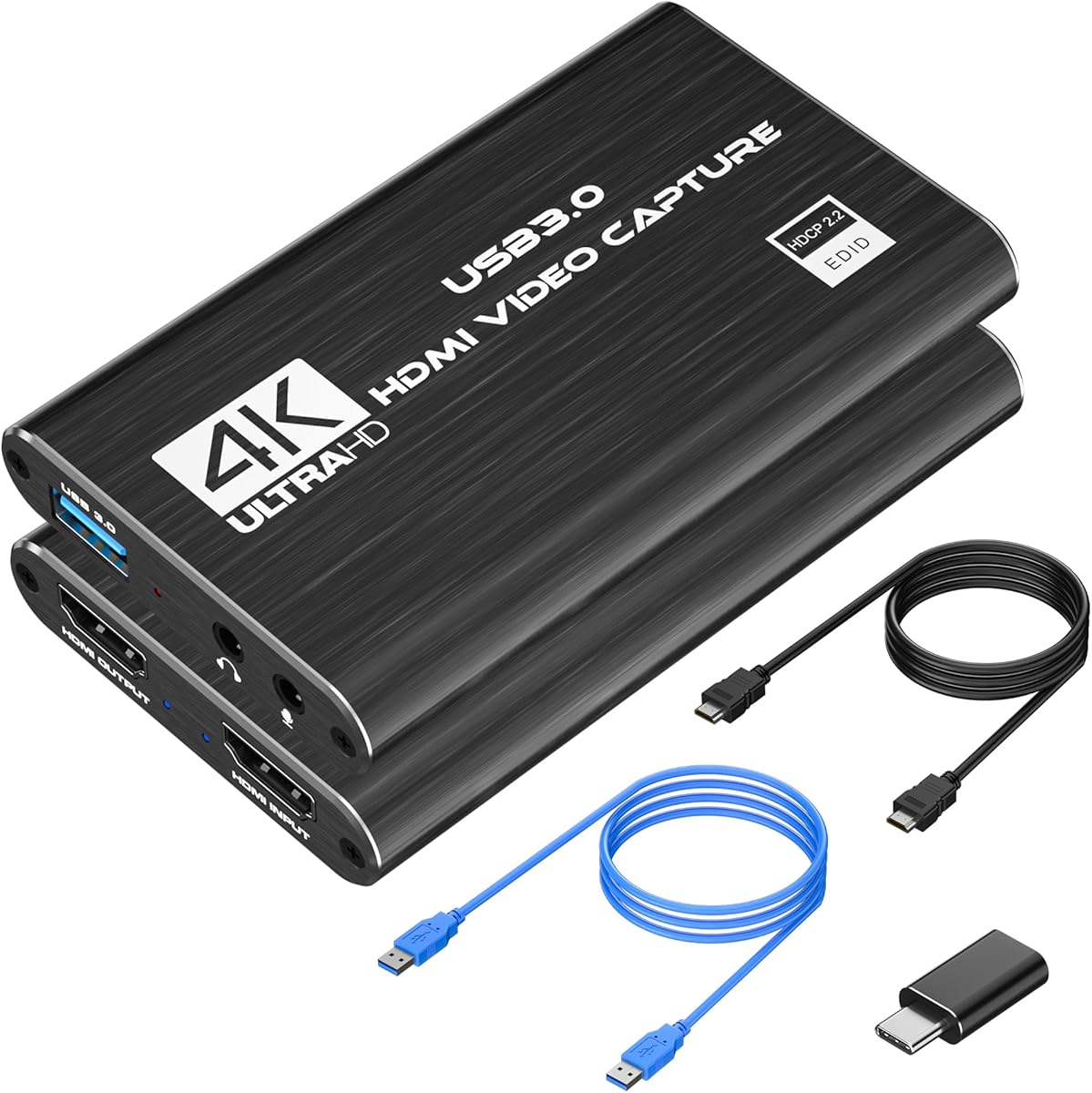


This capture card delivers solid performance for budget-conscious streamers who need reliable video and audio input. With a strong 4.3 rating, it stands out for its ease of use and compatibility with major platforms like Twitch and OBS. It handles 1080p60fps capture cleanly, making it ideal for console gamers who want crisp footage without breaking the bank.
We may earn a commission when you buy through this link, at no additional cost to you.
The unit supports HDMI inputs from consoles like PS5 and Xbox, plus DSLR cameras and PCs. Its plug-and-play design means you just connect the cable and start streaming. Audio is handled well with a dedicated mic-in port, letting you add commentary without extra hardware. The loop-out feature ensures zero delay on your monitor while recording.
While it lacks full 4K high frame rate support, the 1080p performance is smooth and artifact-free for most streams. The device does not occupy CPU resources heavily, keeping your system stable during long sessions. It is compact and portable, perfect for LAN parties or travel where setup time matters.
If you are new to streaming or need a secondary capture device, this model offers excellent value. It works seamlessly across Windows and Mac, and its low latency ensures your gameplay and broadcast stay synced. For beginners or casual creators, this is a dependable choice that gets the job done without fuss.
This unit keeps costs low while delivering reliable 1080p capture that meets basic streaming needs effectively.
You can connect your console or camera instantly with no driver installation or external power supply required.
We may earn a commission when you buy through this link, at no additional cost to you.
This capture card earns its top spot with professional-grade features like 4K60Hz capture and integrated audio mixing. Its 4.6 rating reflects consistent performance for creators who demand color accuracy and low latency. It handles HDR and wide color gamuts well, making it suitable for serious broadcast workflows or high-end gaming streams.
We may earn a commission when you buy through this link, at no additional cost to you.
The device offers a clean UVC/UAC compliant signal, so software like OBS or Zoom recognizes it immediately. HDMI loop-out ensures you can play while recording without lag, and the audio mixer lets you blend mic and game sound digitally. It supports YUY2 and NV12 formats for better quality than compressed MJPEG.
Its build quality and support from OREI add confidence for long-term use. The USB 3.2 bandwidth ensures stable data transfer even at high frame rates. While it costs more than budget units, the added flexibility in audio control and video fidelity justifies the investment for growing channels.
If you stream professionally or want to future-proof your setup, this model balances cost and capability well. It works across Windows, macOS, and Linux, and its zero-delay loop is crucial for competitive gaming. The lifetime support is a strong bonus for users who need reliable uptime.
Integrated audio controls let you adjust mic and line levels without needing an external mixer unit.
Uncompressed 4K capture keeps every frame crisp and detailed for high-resolution streaming needs.
We may earn a commission when you buy through this link, at no additional cost to you.
This internal card represents the top tier for PC-based streaming with 8K60 passthrough and HDMI 2.1 support. Its 4.5 rating highlights seamless integration with apps like OBS and Discord. It ensures every frame is captured with precision, making it ideal for high-end setups where quality cannot be compromised.
We may earn a commission when you buy through this link, at no additional cost to you.
The device supports VRR for smooth gaming without tearing during capture, and its ultra-low latency keeps your stream synced. It connects via HDMI 2.1 for maximum bandwidth, allowing high refresh rates like 240fps at 1080p. The internal design avoids USB bottlenecks for stable long-term recording.
While it requires an open PCIe slot and higher investment, the performance gains are significant. It works across Windows, macOS, and even iPadOS for versatile setups. Its native support for streaming apps simplifies workflow, reducing the need for extra drivers or configuration steps.
If you build a dedicated streaming rig and want top performance, this is the choice. It handles unencrypted HDMI from next-gen consoles flawlessly. For pros who value reliability and future compatibility, this card delivers unmatched quality and peace of mind.
Full HDMI 2.1 support ensures compatibility with the latest high frame rate and resolution displays.
Being internal means more stable data transfer than external USB connections for long streams.
We may earn a commission when you buy through this link, at no additional cost to you.
This capture card offers a straightforward way to add high-quality video to your stream without complexity. With a 4.4 rating, it performs well for basic gaming or educational streams. It handles 1080p60fps cleanly and supports passthrough so you can monitor gameplay with zero lag while recording.
We may earn a commission when you buy through this link, at no additional cost to you.
It works instantly on Windows and Mac, and popular software like OBS and Streamlabs recognize it immediately. The compact form factor makes it easy to carry to LAN parties or travel setups. It connects via USB 3.0 for stable data transfer without needing extra power.
While it lacks advanced audio features, it keeps things simple for users focused on video. The device supports consoles like PS5 and Xbox, plus cameras for hybrid setups. Its plug-and-play nature removes friction, letting you focus on content rather than configuration.
If you need a no-nonsense device for recording gameplay or tutorials, this model fits. It balances cost and performance well, making it a solid choice for beginners or casual broadcasters who want reliable results without overhead.
You get reliable video capture without fiddling with settings or drivers.
The compact design lets you take your streaming gear anywhere easily.
We may earn a commission when you buy through this link, at no additional cost to you.
This capture card stands out with HDR and Variable Refresh Rate support for richer visuals. It scores 4.2 for delivering clear 4K60 capture and reliable passthrough. It is ideal for users who want better color depth and smooth motion without spending on premium units.
We may earn a commission when you buy through this link, at no additional cost to you.
Its smart display and control features let you tweak settings via software, enhancing workflow. It handles high refresh rates like 240Hz at 1080p, keeping games smooth during recording. The USB 3.0 connection ensures stable bandwidth for live broadcasts or local recording.
The utility app adds value for advanced users who want to adjust audio or firmware. While basic users can skip it, the extra control helps optimize streams for different platforms. The device works across Windows, macOS, and Linux, offering flexibility.
If you stream HDR content or high frame rate games, this model offers a balanced upgrade. It fits well in mid-range setups where color and motion quality matter. For gamers and creators seeking extra fidelity, it delivers consistent results without excessive cost.
These features ensure your stream looks vibrant and smooth even in fast action scenes.
Download the CapHub utility to fine-tune your capture settings for different use cases.
We may earn a commission when you buy through this link, at no additional cost to you.
This capture card offers a simple and reliable path to HD streaming for everyday users. With a 4.4 rating, it handles 1080p60 capture cleanly and supports HDMI loop-out for real-time monitoring. It includes mic-in, making it easy to add voiceovers without extra gear.
We may earn a commission when you buy through this link, at no additional cost to you.
Its YUY2 color tech delivers richer tones than MJPEG, improving skin tones and game graphics. The device works across Windows and macOS, and it connects instantly via USB 3.0. It supports consoles like PS5 and Switch, plus DSLR cameras for flexible setups.
While it does not offer 4K capture, its output is stable for most viewers. The compact design suits travel or desk setups where space is limited. It requires no drivers, keeping your system clean and easy to manage.
If you want a straightforward way to start streaming or recording, this unit works well. It avoids complex settings and keeps costs low. For casual gamers or teachers, it delivers consistent quality and reliability.
YUY2 processing ensures your stream looks more natural compared to compressed formats.
Its small size lets you toss it in a bag for on-the-go recording.
We may earn a commission when you buy through this link, at no additional cost to you.
This capture card provides a practical entry point for streaming from consoles or cameras. It earns 4.4 for its stable performance and simple workflow. It handles 1080p60 capture well, and the loop-out lets you play without delay while recording for audiences.
We may earn a commission when you buy through this link, at no additional cost to you.
It supports mic-in for commentary, making it versatile for live games or presentations. It works across Windows and macOS, and popular apps like OBS recognize it instantly. The USB 3.0 connection ensures smooth data transfer without buffering.
While it lacks HDR or high refresh rate support, its output is clear for standard streams. It connects to PS5, Xbox, and cameras easily. The compact design keeps your desk tidy and is easy to pack for travel.
If you need an affordable tool to record gameplay or classes, this fits well. It avoids technical hurdles and works reliably. For those prioritizing simplicity and cost, it delivers solid results.
No drivers or configuration needed to start capturing video and audio.
Monitor your gameplay directly without lag while streaming simultaneously.
We may earn a commission when you buy through this link, at no additional cost to you.
This capture card combines video input with a professional audio mixer for a streamlined workflow. With a 4.0 rating, it offers unique tools like XLR inputs and voice changers that appeal to podcasters and gamers. It captures 1080p60fps and includes zero-latency loop-out for smooth monitoring.
We may earn a commission when you buy through this link, at no additional cost to you.
The XLR interface with 48V phantom power lets you use high-quality mics without preamps. Four physical faders and mute buttons give tactile control over mic, line, and headphone levels. Voice changer modes add fun effects instantly during live streams.
Its RGB lighting and sound pads enhance your setup visually and interactively. While some users report minor stability issues, its feature set remains unmatched in this price range. It works across Windows and macOS, and supports consoles and cameras.
If you want to simplify your gear by replacing separate mixers, this is a strong candidate. It suits creators who value tactile control and interactive elements. For podcasters and entertainers, it delivers studio-grade sound and engaging stream effects.
Connect professional mics directly with 48V power and clean signal handling.
Voice changers and sound pads let you react live to chat or cues.
We may earn a commission when you buy through this link, at no additional cost to you.
This capture card delivers high-fidelity 4K60 capture with VRR and ultrawide support. It scores 4.2 for its robust performance and reliable passthrough for next-gen consoles. The 5.1 audio capture and RGB24 color ensure smooth, detailed streams for serious players.
We may earn a commission when you buy through this link, at no additional cost to you.
It handles high frame rates like 1440p144 or 1080p240 with VRR enabled. Streaming Center software on Windows provides detailed control for workflows. Its USB 3.2 Type-C connection ensures fast data transfer for high bitrate recording.
The device supports PS5, Xbox, and Switch, plus iPad and Mac. Ultrawide capture lets you cover more game area for titles that support it. While it requires software for full benefits, the quality gains are clear for content creators.
If you value color accuracy and high frame rate passthrough, this card is a great pick. It fits well in mid-to-high tier setups for competitive or cinematic streams. For those wanting premium performance without internal installation, it is ideal.
Support for ultrawide and variable refresh rates captures modern gaming displays fully.
Capture at up to 50Mbps for sharp, detailed video without compression artifacts.
We may earn a commission when you buy through this link, at no additional cost to you.
This capture card provides 4K60 capture with flexible USB connectors and high frame rate options. With a 4.2 rating, it supports 1080p120fps input, making it great for competitive games. It includes pass-through for zero-latency monitoring and works with major streaming apps.
We may earn a commission when you buy through this link, at no additional cost to you.
Its USB A/C options let you choose cables based on your ports, increasing compatibility. It connects to PS5, Xbox, and cameras, plus VR headsets like Quest 3. It supports Windows, Mac, and iPad, offering wide device coverage.
While it lacks advanced audio tools, it handles video cleanly at a moderate price. The 3.5mm audio ports let you add mic or line-in easily. Its compact design keeps your setup tidy and portable.
If you want 4K capture with flexible ports for mid-range use, this model fits. It suits gamers who need high frame rate support and broad compatibility. For creators who value convenience and speed, it delivers solid results.
USB A and C options give you flexibility to connect with available ports.
Capture at 1080p120fps for smooth playback in fast-paced games.
We may earn a commission when you buy through this link, at no additional cost to you.
Selecting the right capture card requires balancing video quality, latency, audio features, and budget.
For most streaming, 1080p60fps is sufficient, but 4K60 capture offers future-proofing. Check what your console supports and what your PC can handle.
Prioritize units that support your target resolution without sacrificing smoothness.
Low latency is essential for competitive gaming. Look for cards with HDMI loop-out for zero-delay monitoring.
Avoid units that introduce lag between gameplay and your display.
If you need mic or line-in support, ensure the card has audio ports. Some offer integrated mixers for advanced control.
Basic units rely on PC audio; advanced ones blend signals internally.
USB 3.0 or Type-C ensures stable data transfer. Internal PCIe cards offer higher bandwidth for professional setups.
Check your PC slots and ports before buying to avoid compatibility issues.
Confirm the card works with OBS, Streamlabs, and your OS. Plug-and-play UVC compliance saves setup time.
Avoid units that require proprietary drivers for basic streaming.
If you stream HDR content, ensure the card supports HDR pass-through and capture. VRR support avoids tearing.
These features matter for high-end gaming and color accuracy.
Portable units suit travelers or LAN parties. Built-in cards fit desktops with better stability.
Choose based on whether you need mobility or fixed performance.
Entry units cost less and handle 1080p well. Premium models justify higher prices with advanced features.
Invest in what matches your growth and content needs.
Connect your console or camera to the capture card via HDMI, then plug the USB cable into your PC.
Open your streaming software and select the capture card as the video and audio source.
Keep firmware updated and avoid hot-plugging to ensure long-term device stability.
Most modern units are plug-and-play and work without drivers. If your OS doesn't recognize it, check the manufacturer site for optional utilities.
Yes, many models support macOS via UVC. Always confirm OS compatibility before purchasing to avoid setup issues.
USB 3.0 or higher is recommended for 4K capture. Older USB 2.0 ports may limit frame rates and cause stutter.
Some support HDR pass-through and capture; others do not. Check specs if you stream HDR content from next-gen consoles.
Yes, most cards handle this via software. Use separate apps to record locally while streaming to platforms.
Use HDMI loop-out for monitoring. Ensure your streaming software uses direct audio and video sources without extra overlays.
We reviewed ten units that balance quality and cost. The top picks offer clear paths for beginners and pros.
Prioritize latency, audio features, and your resolution needs before buying.
Prices and specs change, so check current listings before finalizing your choice.