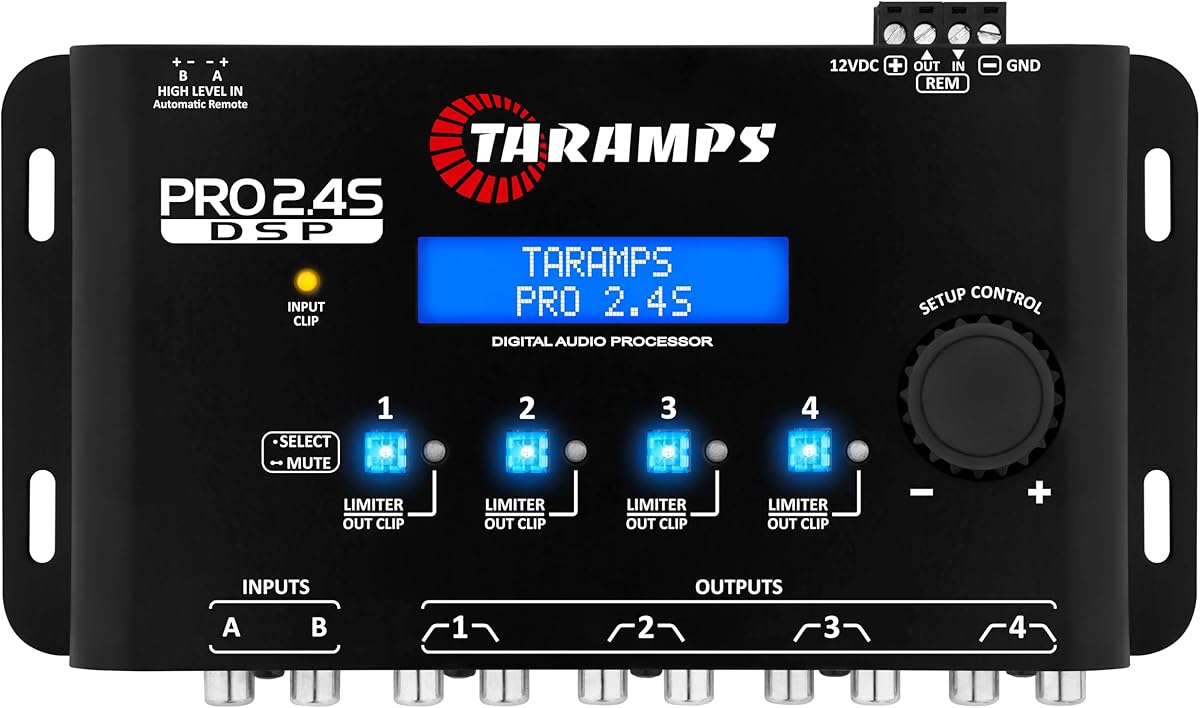
Taramps PRO 2.4S Car Audio DSP Equalizer
4.6Editor score
Compact four channel design
RCA and high level inputs
Integrated anti-pop system
This guide compares the top 10 Digital Signal Processor Dsp for Car Audio to help you choose the best model for your vehicle upgrade.
Choosing the right Digital Signal Processor Dsp for Car Audio can transform your listening experience. These units provide precise control over frequency, time, and phase. A good one integrates seamlessly with your existing setup.
We compared ten leading models based on features, compatibility, and user feedback. Our analysis covers input options, equalization capabilities, and connectivity. Each entry offers unique strengths for different audio configurations.
Every pick highlights key specs and real-world performance traits. Prices fluctuate often so verify current deals before purchasing. These selections represent the most reliable options available this month.
4.6Editor score
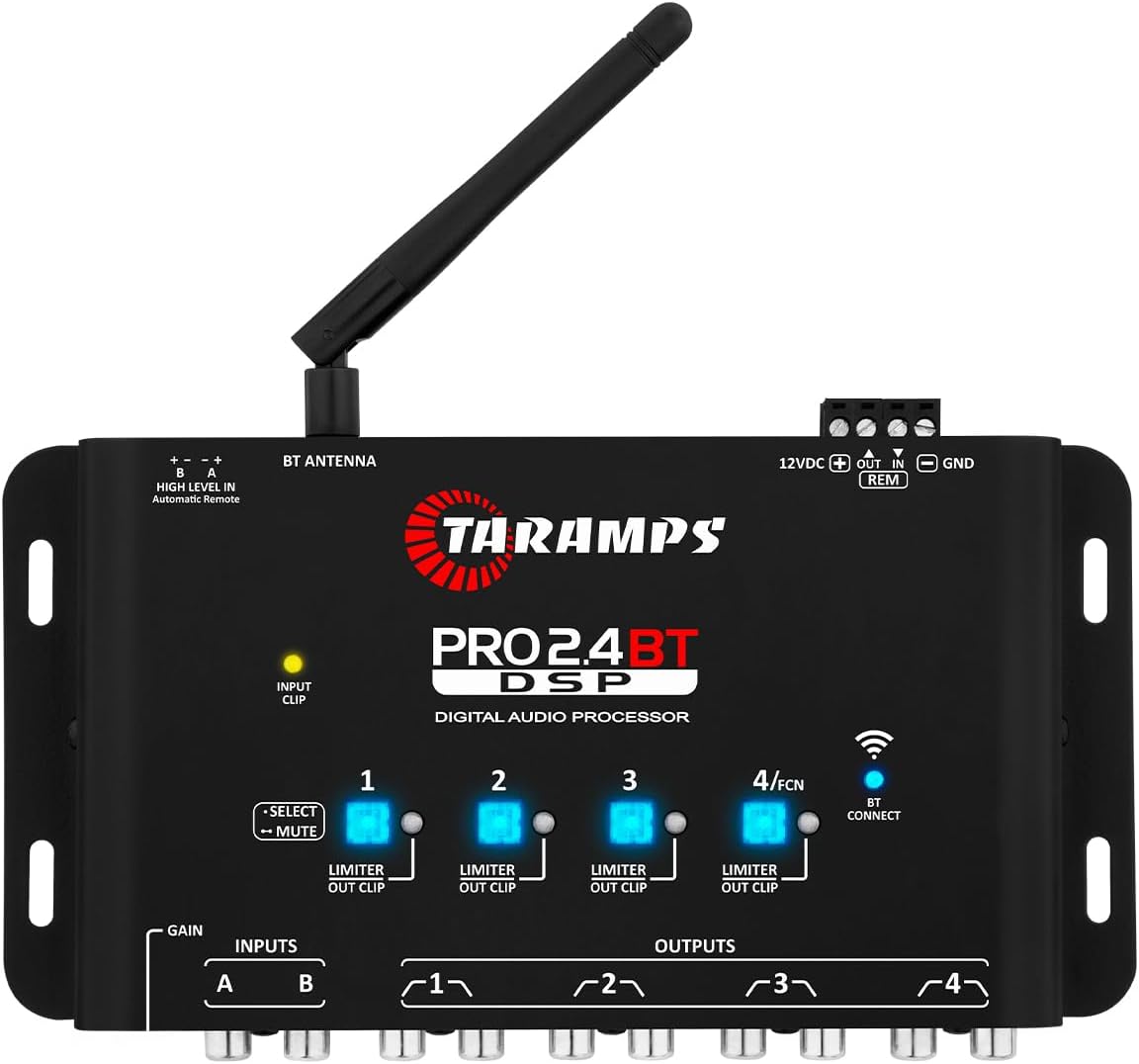
4.6Editor score

4.6Editor score
This side-by-side comparison highlights the core capabilities of each selected model. We focus on channel counts, connectivity options, and equalization depth to help you find the ideal fit for your specific car audio needs.


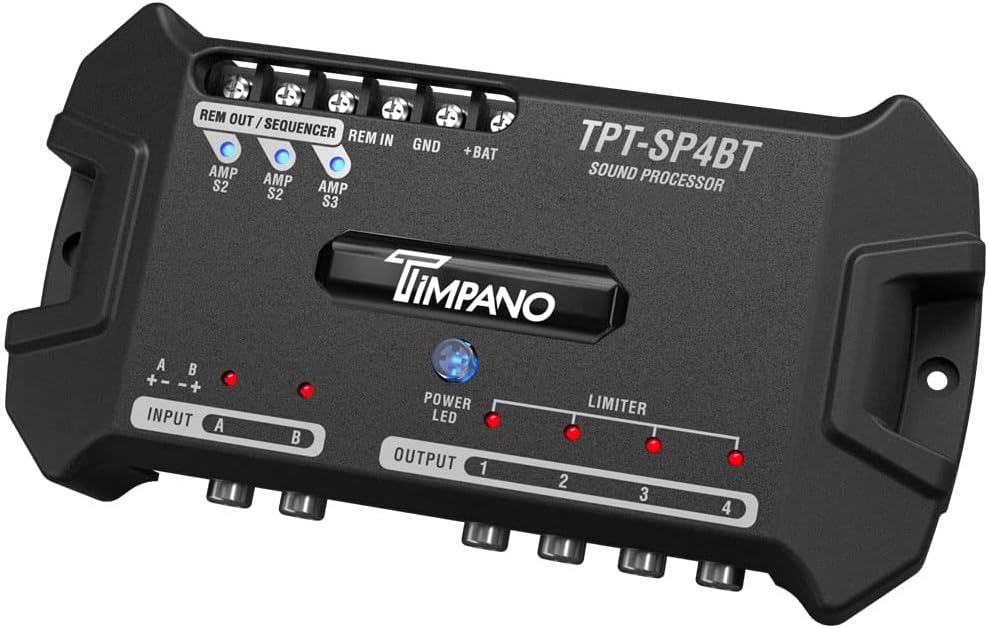


The Taramps Pro 2.4 BT stands out as a top contender in the Digital Signal Processor Dsp for Car Audio category. With a solid rating from users, it delivers exceptional clarity and control. Its wireless configuration makes tuning accessible to enthusiasts and beginners alike.
We may earn a commission when you buy through this link, at no additional cost to you.
This unit offers 24-bit digital processing at 48kHz ensuring high fidelity audio reproduction. You gain full command over your sound through Bluetooth 5.4 BLE from your mobile device. The 15-band graphic EQ combined with parametric adjustments allows for meticulous sound shaping.
While powerful, the depth of features requires time to master. The anti-puff system eliminates pops but initial setup may be complex for those new to DSPs. These trade-offs are acceptable given the performance gains and integration flexibility.
Ideal for anyone seeking professional results without replacing their head unit, this processor excels. Whether you have a factory system or aftermarket gear, it adapts well. We recommend this model for serious audio upgrades.
Connecting via Bluetooth 5.4 BLE lets you adjust settings in real time without cables.
Built-in high level inputs simplify adding a DSP to factory radios without extra converters.
We may earn a commission when you buy through this link, at no additional cost to you.
The PRV AUDIO DSP 2.4X delivers reliable performance for mid-level systems. Users praise its intuitive LCD display and straightforward controls. This model is perfect for those who prefer physical feedback during adjustments.
We may earn a commission when you buy through this link, at no additional cost to you.
It features independent outputs for four channels allowing precise crossover control. The integrated equalization system offers both manual tuning and preset options. The sequencer function adds value by automating device startups.
Missing Bluetooth connectivity means tuning requires a laptop or direct connection. The preset selection is smaller than wireless alternatives. These limitations suit users who prioritize stability over convenience.
Best for installers needing robust hardware, this DSP offers solid value. It integrates well with PRV speakers and drivers. Choose this if you need a dependable wired solution.
The sequencer triggers other products via remote relay for seamless system startup.
Select audio sources per output channel for flexible multi-input configurations.
We may earn a commission when you buy through this link, at no additional cost to you.
Upgrading from the 2.4X the PRV AUDIO DSP 2.8X offers eight channels for complex builds. It maintains the same intuitive interface and powerful processing. This is the go-to choice for multi-component systems.
We may earn a commission when you buy through this link, at no additional cost to you.
You gain full control over four separate outputs with independent crossover and equalization. The 15-band graphic EQ ensures smooth frequency response across all speakers. The sequencer feature remains a standout for automation.
Without wireless options setup requires physical access to the unit. The cost increases with channel count but remains competitive. These factors align with professional installation needs.
Ideal for ambitious audio projects requiring multiple speaker zones, this unit shines. It supports high-end configurations without sacrificing ease of use. Recommend it for detailed tuning requirements.
Eight channels allow distinct audio zones or detailed multi-way speaker setups.
Parametric controls provide precise adjustments for challenging acoustic environments.
We may earn a commission when you buy through this link, at no additional cost to you.
The PRV AUDIO DSP 2.4X BT bridges the gap between factory systems and aftermarket sound. It includes a built-in speaker wire converter for easy head unit upgrades. Bluetooth control adds convenience for on-the-fly tweaks.
We may earn a commission when you buy through this link, at no additional cost to you.
Exclusive crossover presets simplify setup for PRV speakers saving valuable tuning time. The four channel design covers standard front and rear placements. High level inputs allow direct connection to existing amplifiers.
User reviews indicate occasional connectivity issues or sluggish responses. The rating reflects these inconsistencies despite strong core features. These drawbacks may concern users seeking seamless experiences.
Choose this if you use PRV components and want factory retention. The preset library is a unique advantage. It suits those prioritizing brand compatibility over universal flexibility.
Exclusive presets optimize sound for PRV drivers and tweeters automatically.
High-level input ensures you keep your factory radio while upgrading speakers.
We may earn a commission when you buy through this link, at no additional cost to you.
The Taramps PRO 2.4S proves you don't need to spend much to get great DSP performance. Rated highly by users it delivers precise crossover and EQ control. Its small footprint fits easily in tight compartments.
We may earn a commission when you buy through this link, at no additional cost to you.
Inputs include both RCA and high level for broad compatibility. The 15-band graphic EQ and parametric tools allow detailed tuning. An integrated anti-pop system protects speakers from noise during power cycles.
Lacking wireless connectivity means you must use a PC or mobile app for tuning. Presets are limited compared to premium models. These restrictions are minor given the price point.
Best for budget-conscious buyers or simple active setups, this unit impresses. It upgrades OEM systems effectively without extra converters. We recommend it for entry-level enthusiasts.
The small chassis ensures easy installation even in crowded vehicle interiors.
Built-in limiters prevent clipping and protect speakers from volume spikes.
We may earn a commission when you buy through this link, at no additional cost to you.
The Banda Audiopart X8AiR sets a new standard for car audio processing. With 32-bit 96kHz performance it delivers studio-quality sound in your vehicle. Users love the depth of control it offers.
We may earn a commission when you buy through this link, at no additional cost to you.
A 79-band equalizer per channel allows surgical frequency adjustments. Bluetooth app control makes this precision accessible without hardware interfaces. The eight channels support advanced multi-amplifier configurations.
The sheer number of settings can overwhelm casual users. The cost is higher than standard units but justified by performance. These aspects suit professional or serious hobbyists.
Ideal for audiophiles seeking top-tier sound, this processor is unmatched. It handles complex signal routing effortlessly. Choose it if you demand maximum fidelity.
32-bit 96kHz processing reduces noise and maximizes dynamic range.
Eight outputs support subwoofers component speakers and rear fills independently.
We may earn a commission when you buy through this link, at no additional cost to you.
The Taramps PRO 2.8S focuses on power and stability for demanding systems. It features adjustable RMS and peak limiters to protect your gear. This model is popular among high-power audio enthusiasts.
We may earn a commission when you buy through this link, at no additional cost to you.
Eight channels offer complete control over all speakers in your vehicle. Time alignment and phase settings help create a coherent soundstage. The high level inputs simplify integration with factory units.
Lacking wireless features may be a drawback for modern users. The preset library is not as extensive as others. These limitations are balanced by raw performance.
Best for high-output setups needing reliability, this DSP performs well. It protects against clipping while delivering deep bass. Recommend it for performance-focused installations.
Adjustable limiters manage power distribution to prevent amplifier clipping.
Precise delay controls align speakers for accurate imaging and soundstage.
We may earn a commission when you buy through this link, at no additional cost to you.
The Timpano TPT-SP4BT combines standard DSP functions with a built-in voltmeter. This addition helps monitor system health in real time. Users appreciate the convenience of having diagnostic tools integrated.
We may earn a commission when you buy through this link, at no additional cost to you.
Bluetooth control allows easy adjustment via smartphone. The sequencer triggers remote devices for automated startup. Pink noise generation aids in precise speaker testing.
Crossover options are less flexible than high-end units. App performance can vary depending on your device. These trade-offs are acceptable for the value offered.
Ideal for installers needing quick diagnostics this unit delivers. It suits moderate upgrades with factory integration. Choose it for practical utility.
The built-in voltmeter helps track voltage levels to ensure stable power.
Pink noise generation and sweep features simplify speaker testing and tuning.
We may earn a commission when you buy through this link, at no additional cost to you.
The Dayton Audio DSP-408 excels in versatility across car and home setups. Input mixing allows you to blend multiple sources creatively. The graphical interface simplifies complex tuning tasks significantly.
We may earn a commission when you buy through this link, at no additional cost to you.
Eight outputs support full system deployment with independent EQ. The 10-band parametric EQ per channel provides precise frequency shaping. Real-time signal processing ensures immediate feedback during adjustments.
Bluetooth connectivity requires an optional dongle adding cost. The price reflects its professional features. This may deter casual buyers seeking simplicity.
Best for integrators and advanced users this DSP offers unmatched flexibility. It handles complex signal chains with ease. Recommend for hybrid car and home audio projects.
Mix input signals at the processor to support multi-source configurations.
The GUI streamlines adjustments allowing for visual tuning feedback.
We may earn a commission when you buy through this link, at no additional cost to you.
The Stetsom STX2448 FLOATING PRO introduces unique features for bass enthusiasts. Floating mode changes how signals are processed offering new possibilities. Users praise the subharmonic bass generation for deep sound.
We may earn a commission when you buy through this link, at no additional cost to you.
Input level adjustment prevents clipping before processing. The encoder button simplifies navigation through menus. Peak and RMS limiters ensure safe operation under load.
The interface can be complex for new users. Floating mode may not suit every system setup. These features target specific audiophile needs.
Ideal for bass lovers wanting deeper output this unit stands out. It enhances low-end impact effectively. Recommend for specialized audio installations.
Generates lower frequencies to enhance subwoofer performance and depth.
Floating mode allows custom signal flows for unique system configurations.
We may earn a commission when you buy through this link, at no additional cost to you.
Selecting the right unit requires understanding your system's needs and your budget. This guide outlines key factors to consider.
The number of outputs determines how many speakers or subwoofers you can control independently. Four-channel units suit standard setups while eight-channel models support complex systems. Ensure your chosen DSP matches your speaker configuration.
Choose enough channels to cover all active speakers without needing extra hardware.
Look for high-level inputs if you want to keep your factory head unit. RCA inputs are better for aftermarket systems. Some units offer both for maximum versatility. This impacts installation difficulty significantly.
Verify the input type matches your current stereo to simplify wiring.
Digital processors should offer parametric EQ for detailed sound shaping. Graphic EQ bands help smooth out frequency peaks. More bands allow finer control over the sound. High-quality EQ ensures natural audio reproduction.
Prioritize units with both graphic and parametric controls for best results.
Bluetooth control lets you tune wirelessly via a smartphone app. Wired connections may require a PC. Some units feature LCD displays for on-the-fly adjustments. Convenience varies by interface type.
Select a control method that fits your tuning workflow preference.
Built-in features like sequencers or voltage meters add value. Subharmonic bass generators enhance low-end output. Auto turn-on simplifies system startup. These extras can save time and money on additional parts.
Check for specific features that align with your system's goals.
Car environments are harsh with heat and vibration. A durable metal housing protects internal components. Quality construction ensures longevity. Review user feedback on reliability.
Invest in a robust unit to withstand daily vehicle conditions.
Prices range widely from basic to high-end models. Determine how much you need versus how much you want. Higher cost often means better processing power and features. Balance performance against your financial limits.
Match your spending to the level of audio improvement you expect.
User-friendly software is critical for effective tuning. Reliable manufacturer support helps resolve issues. Regular app updates add features. Check reviews for stability of the software.
Ensure the software is stable and easy to use before purchase.
Proper installation is key to performance. Connect power and ground securely to avoid noise. Use shielded cables for RCA inputs to prevent interference. Follow the wiring diagram carefully for each model.
Regular calibration ensures optimal sound. Update your software periodically to fix bugs. Clean the vents to prevent overheating. Avoid exposing the unit to direct sunlight or excessive moisture.
Reset the unit if you encounter glitches. Save presets before making major changes. This practice prevents data loss during troubleshooting. Proper care extends the lifespan of your processor.
A Digital Signal Processor Dsp for Car Audio optimizes sound by managing frequencies and time alignment. It allows precise control over how audio signals reach speakers. This technology removes factory limitations and creates a balanced listening environment.
Yes, a DSP can significantly improve aftermarket speaker performance. It corrects timing and frequency issues that aftermarket units often face. Even with high-end gear a DSP ensures you hear every detail clearly.
Many models include high-level inputs specifically for factory radios. These inputs connect directly to speaker wires without extra hardware. This setup lets you retain your original head unit while upgrading sound quality.
Graphic EQ uses sliders for fixed frequencies while parametric EQ allows custom frequency and bandwidth settings. Parametric gives you more control to target specific sound issues. Most processors offer both for maximum flexibility.
Calibration involves setting delays and equalization based on your speakers positions. Many units include pink noise tools to assist with this process. Start with presets and refine settings for a natural sound stage.
Bluetooth control is safe provided you adjust settings before driving. Many apps allow you to lock or save settings to prevent changes while moving. Always secure the device to avoid distractions.
Use the limiter function to prevent signals from exceeding safe levels. Ensure input gain is set correctly to match your head unit. Proper gain staging protects speakers and amplifiers from distortion.
Yes, DSPs provide precise crossover control for subwoofers. Time alignment ensures bass reaches you in sync with other speakers. Some units even generate subharmonic frequencies for deeper sound.
We explored ten excellent options for upgrading your in-car sound. Each model offers unique features ranging from wireless control to high-resolution processing. Whether you need a budget entry or premium performance there is a fit.
Prioritize input types and channel count to match your specific build. Consider ease of tuning when choosing between wired and Bluetooth models. A well-chosen unit will transform your daily driving experience significantly.
Prices and availability fluctuate so check current listings before buying. Verify compatibility with your specific vehicle and stereo system. Investing in a quality DSP ensures long-term satisfaction with your audio.