
M-AUDIO M-Track Duo USB Audio Interface
4.4Editor score
Versatile combo inputs
Zero latency monitoring
Includes MPC Beats software
This guide compares the top guitar to Mac interfaces for recording and live performance, helping you choose the right hardware for your studio or mobile setup.
Finding the right connection between your instrument and computer is crucial for modern music production. A quality interface ensures your tone remains intact while providing the necessary inputs and outputs for professional results.
We have evaluated ten leading models based on audio fidelity, compatibility, and build quality. Each option offers unique features tailored to different workflows, from simple mobile recording to complex studio setups.
Every pick highlights key strengths and potential limitations to help you decide. Note that availability and costs may shift over time, so verify details before purchasing your new gear.
4.4Editor score
4.6Editor score

4.6Editor score
Here is a side-by-side overview of all ten models to help you quickly compare key specifications and decide which fits your recording needs best.



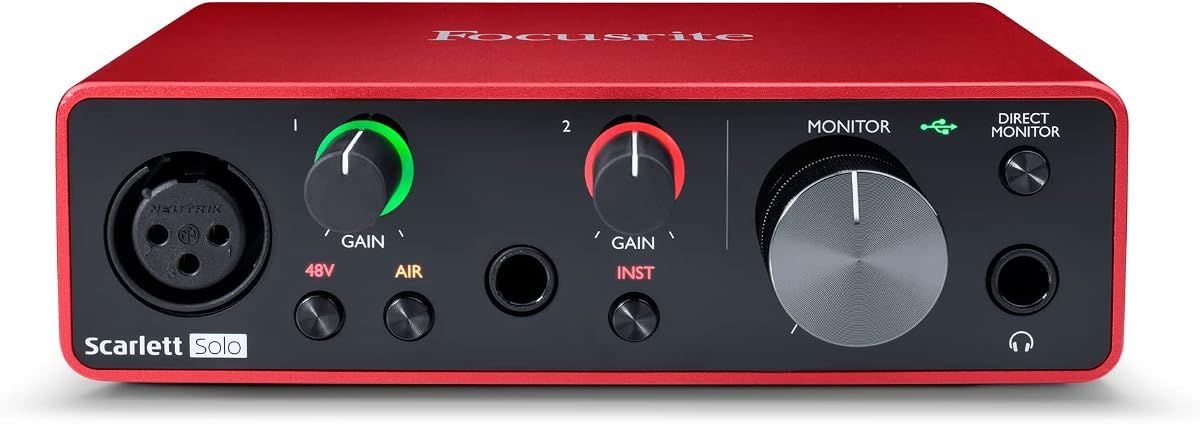
The Focusrite Scarlett Solo 3rd Gen stands out as a top choice for musicians seeking professional recording quality. With a rating of 4.6 stars it delivers high performance mic pre-amps that ensure your guitar and vocals shine through without unwanted distortion or clipping.
We may earn a commission when you buy through this link, at no additional cost to you.
Its standout feature is the switchable Air mode which adds extra clarity to acoustic instruments. The Gain Halos provide visual feedback to help you capture the perfect take every time. You can record at up to 24-bit and 192kHz for studio grade fidelity.
While it offers excellent sound the device only provides two instrument inputs which may limit complex setups. Additionally relying on a single USB-C connection means you need the correct cable for your Mac. However these trade-offs are minor compared to its performance.
This interface is ideal for solo artists and podcasters who want reliable tools. If you value clear audio and ease of use this model is highly recommended for your home studio.
The high-performance converters and pre-amps ensure your recordings retain all sonic nuances for professional results.
Includes Pro Tools Intro and Ableton Live Lite to get you started creating music immediately.
We may earn a commission when you buy through this link, at no additional cost to you.
The M-AUDIO M-Track Duo offers exceptional value for musicians on a budget. Rated 4.4 stars it delivers pristine recording quality with 48kHz resolution and transparent Crystal Preamps that work well with condenser mics.
We may earn a commission when you buy through this link, at no additional cost to you.
It features two combo XLR inputs allowing you to record guitar and vocals simultaneously. The USB/Direct switch ensures zero latency monitoring so you hear your performance in real time without delay during live streams.
While it lacks higher sample rates like 96kHz the sound quality remains solid for most applications. The build is functional but feels less premium than higher-end models yet it gets the job done effectively.
This interface is perfect for podcasters and content creators who need reliable performance without breaking the bank. If you need versatile inputs and included software this is a smart choice.
Combo inputs let you connect microphones and instruments easily for flexible recording setups.
The zero latency monitoring switch helps maintain performance timing during live sessions.
We may earn a commission when you buy through this link, at no additional cost to you.
The Motu M2 is engineered for audiophiles who demand the highest fidelity. With a 4.6 rating it uses ESS Sabre32 Ultra DAC technology similar to interfaces costing thousands to ensure superb analog sound quality.
We may earn a commission when you buy through this link, at no additional cost to you.
It offers a measured 120 dB dynamic range on outputs and -129 dBu EIN on mic inputs for extremely quiet recordings. The ESS-driven headphone output provides powerful monitoring for detailed mixing and mastering work.
Although it comes at a higher price the performance justifies the cost for serious producers. Driver installation might be needed on some systems but once set up the interface performs flawlessly in studio environments.
This unit is ideal for professionals seeking pristine audio reproduction and robust hardware. If sound quality is your top priority this model delivers unmatched clarity for your Mac studio.
The ESS DAC technology ensures minimal distortion and maximum dynamic range for critical listening.
The included XLR cable bundle makes setup quick and ready for professional recording.
We may earn a commission when you buy through this link, at no additional cost to you.
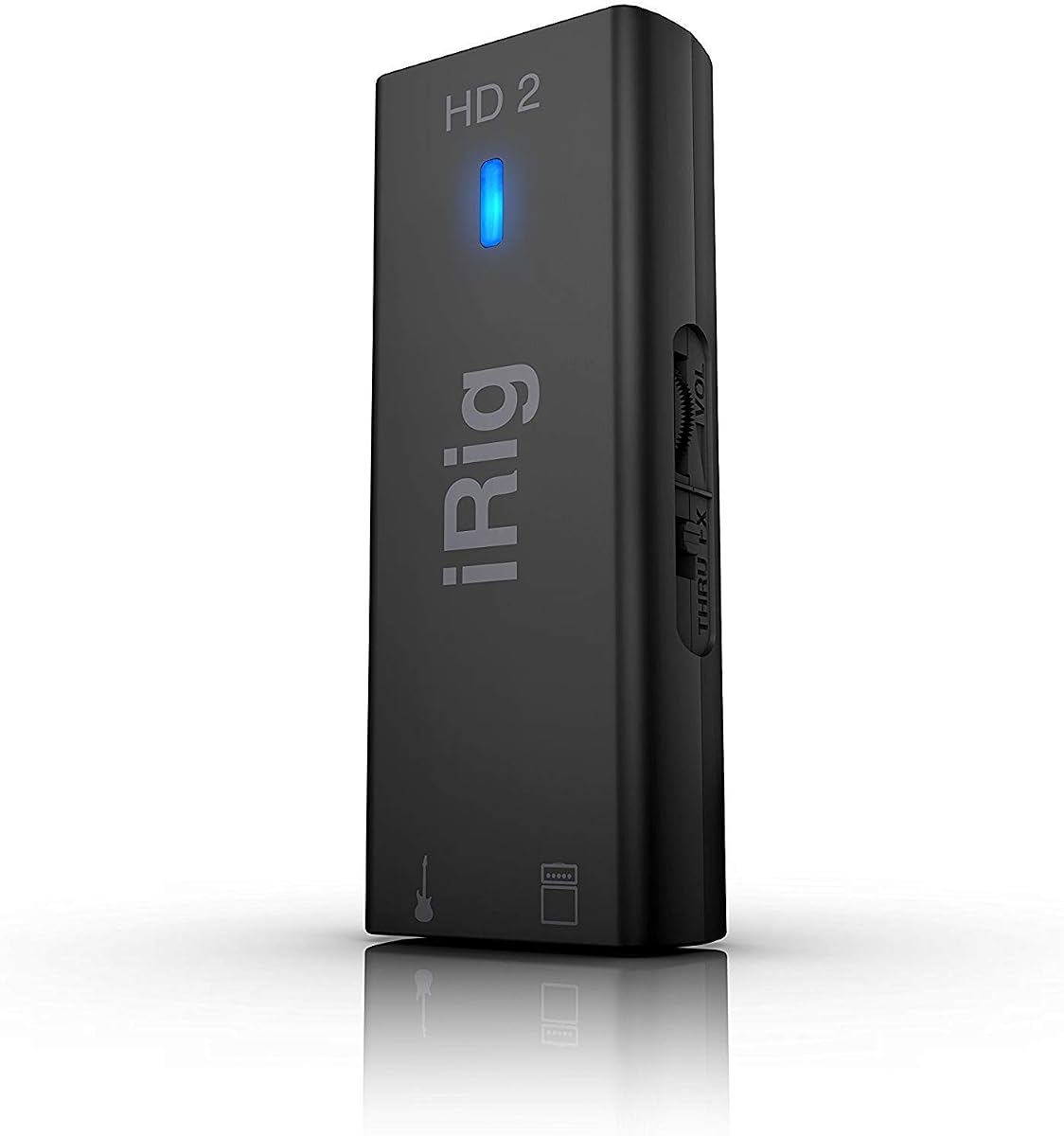
The IK Multimedia iRig HD 2 is designed for musicians on the go who need high definition recording. Rated 4.4 stars it offers plug and play simplicity across iPhone iPad Mac and PC with included cables.
We may earn a commission when you buy through this link, at no additional cost to you.
It features a 96kHz sampling rate which is the highest in its class ensuring distortion free recording. The 1/4 Amp Out jack lets you connect to amplifiers or mixers directly without extra accessories.
While it does not have a battery you can draw power directly from your device. Managing cables can be slightly tricky during live performances but the lightweight construction makes it easy to carry in a bag.
This interface is perfect for travelers and mobile producers who want studio quality anywhere. If you need high fidelity and portability this adapter unlocks exclusive content and great sound for your Mac.
The 96kHz sampling rate captures every nuance of your playing without sacrificing performance.
The Amp Out jack allows seamless integration with your existing pedal or amp setup.
We may earn a commission when you buy through this link, at no additional cost to you.
The JOYO MOMIX CAB is a direct monitoring interface perfect for quick recording sessions. Rated 4.2 stars it passes your guitar's clean signal to headphones with zero latency while sending audio to your phone.
We may earn a commission when you buy through this link, at no additional cost to you.
It supports USB-C and Lightning ports making it versatile for different devices. The pocket sized design with a back clip allows you to attach it securely to your strap for mobile recording anywhere.
While it does not support real-time software amp sims it is ideal for recording dry tracks. Ensuring you use the included cable is critical for stable connection and avoiding signal loss during use.
This interface is best for social media streaming and capturing song ideas on the fly. If you need a tiny reliable tool for direct monitoring this option is highly convenient for creators.
The direct monitoring feature lets you hear your unprocessed guitar instantly without delay.
Smaller than a key it clips to your pocket or strap for easy transport.
We may earn a commission when you buy through this link, at no additional cost to you.
The PIYONE Q28 delivers professional resolution with a 24-bit 192kHz interface at a budget price. Rated 4.4 stars it captures every nuance with high-performance converters ensuring crystal clear recordings.
We may earn a commission when you buy through this link, at no additional cost to you.
It features elegant illuminated LED light rings on gain knobs for visibility in dim studios. The USB-C bus power eliminates external supplies and the loopback function makes streaming and podcasting mixes easy.
While the build feels lighter than premium units it offers high-fidelity sound required for production. Some users may find software support limited but the plug-and-play nature simplifies setup for most users.
This interface is ideal for creators needing high resolution and loopback without extra cost. If you want stylish design and professional specs this model is a strong contender for your studio.
The USB-C bus power means no bulky external supplies are needed for operation.
Illuminated knobs help you adjust levels easily even in low light studio environments.
We may earn a commission when you buy through this link, at no additional cost to you.
The PreSonus Quantum ES 2 is built for exceptionally low audio latencies with custom drivers. Rated 4.2 stars it features MAX-HD mic preamps that are transparent and digitally controlled for optimal sound.
We may earn a commission when you buy through this link, at no additional cost to you.
Instrument inputs were co-developed with Fender engineers ensuring guitarists and bassists get accurate tone. The Auto Gain button sets the perfect level automatically saving time during fast recording sessions.
While it includes Studio One Pro perpetual license it relies on driver installation for best performance. Only two inputs may limit large band recordings but for solo work it is efficient and powerful.
This interface is perfect for producers wanting tight integration with Fender gear and software. If you need precise control and low latency this model delivers reliable performance for your Mac.
The Auto Gain button ensures your levels are perfect without manual tweaking every time.
Instrument inputs are tuned specifically by Fender for authentic guitar and bass sound.
We may earn a commission when you buy through this link, at no additional cost to you.
The Fender Quantum HD 2 offers ultra high-fidelity 20×24 interfaces for complex music production. Rated with high specs it ensures professional clarity with 32-bit 192kHz converters for studios and musicians.
We may earn a commission when you buy through this link, at no additional cost to you.
It features front-facing instrument inputs optimized for transparent guitar recording and dual re-amp outputs to explore new tones. The ADAT expansion adds sixteen digital inputs for hybrid studio growth as you evolve.
While this is an expensive investment it provides a perpetual license for Fender Studio Pro. Beginners may find the complexity overwhelming but pros will appreciate the flexibility and robust sound quality.
This interface is ideal for advanced studios needing extensive connectivity and Fender tones. If you require top-tier specs and future-proofing this model is a premium choice for your setup.
ADAT and S/PDIF allow you to expand digital inputs as your studio grows.
Dual re-amp outputs let you send signals to external amps for creative tone shaping.
We may earn a commission when you buy through this link, at no additional cost to you.
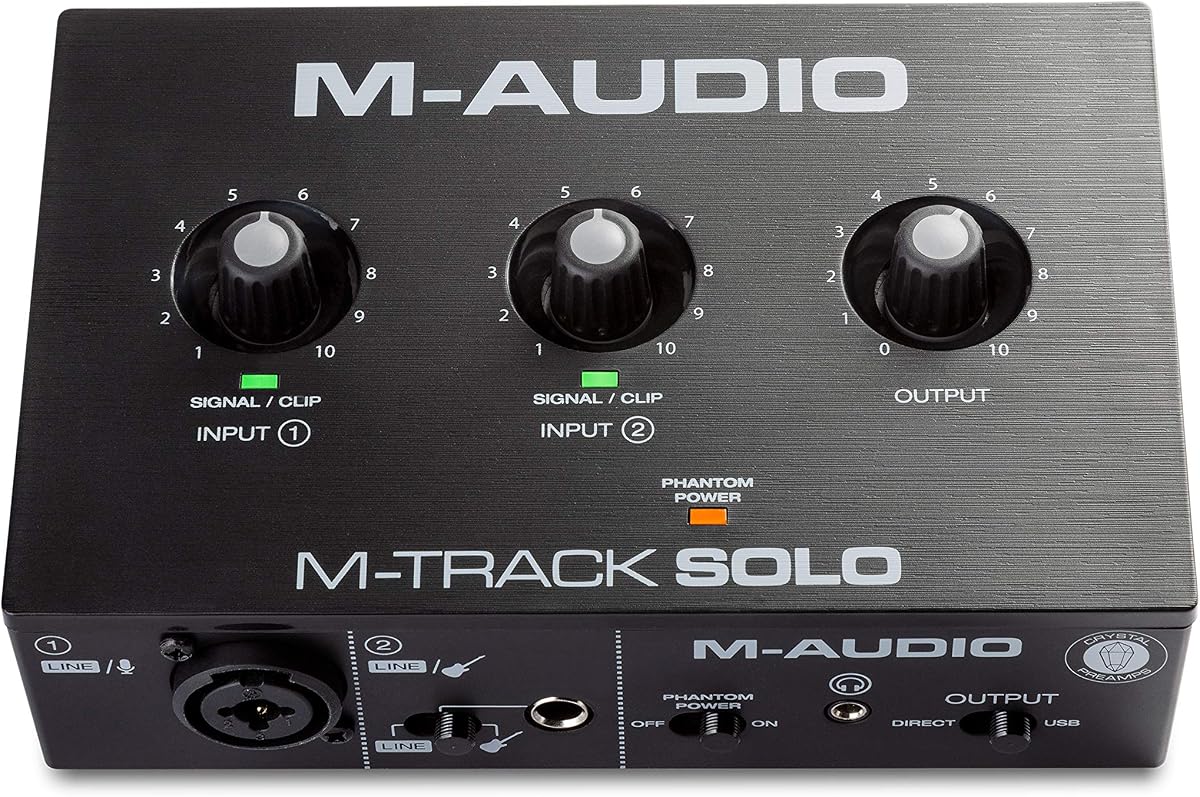
The M-AUDIO M-Track Solo is a simple portable interface covering recording and live streaming needs. Rated 4.3 stars it delivers 48kHz resolution for pristine recording every time with a versatile Crystal Preamp.
We may earn a commission when you buy through this link, at no additional cost to you.
It has one combo XLR input for vocals and one instrument input for guitar. The USB/Direct switch offers zero latency monitoring and RCA outputs provide flexibility for older speaker systems or mixers.
While limited to one combo input it is perfect for solo artists who do not need dual channels. The build is lightweight but functional and the included MPC Beats software adds value for beginners.
This interface is best for podcasters starting out or solo musicians needing a simple setup. If you want reliability without complexity this model is a solid and affordable choice.
With single inputs setup is fast and easy for focused recording sessions.
The Crystal Preamp guarantees optimal sound from your microphones without coloration.
We may earn a commission when you buy through this link, at no additional cost to you.
The IK Multimedia iRig USB offers high quality sound with 24-bit 48kHz resolution for modern apps. Rated 4.3 stars it works with Mac PC and new iPhone 15 using an included USB-C cable.
We may earn a commission when you buy through this link, at no additional cost to you.
It includes direct monitoring for silent practice and a dedicated Amp out to connect to amps. The package bundles a complete suite of recording software to help jumpstart your creative journey.
While it does not support lightning cables this limitation is minor for USB-C users. The design is robust enough to withstand professional use yet compact enough to take anywhere for gigs.
This interface is ideal for musicians needing a reliable tool for home or on-the-go. If you value durability and included software this model is a great value for your Mac.
The included recording suite gives you tools to craft your music easily right away.
Compact and durable construction ensures it withstands travel and frequent use.
We may earn a commission when you buy through this link, at no additional cost to you.
Choosing the right interface requires understanding your needs regarding inputs, connectivity, and audio resolution.
Most modern interfaces use USB-C or Lightning for seamless Mac integration. Ensure your device has the right port or adapters before purchasing to avoid compatibility issues.
Always check if the interface is class-compliant for plug-and-play use without extra drivers.
Decide if you need one or multiple inputs for recording instruments simultaneously. Solo artists may find a single input sufficient while bands need two or more combo jacks.
Select a model with enough inputs to cover your current needs and future expansion plans.
Higher resolutions like 24-bit/192kHz provide better audio fidelity for professional releases. For casual recording 48kHz is often adequate but higher rates capture more sonic detail.
Prioritize higher sample rates if you plan to mix and master tracks with precision.
Direct monitoring features allow zero-latency playback of your instrument through headphones. This is essential for performance and recording to hear yourself without delay.
Choose an interface with a physical monitor switch for reliable latency-free control.
Clean low-noise preamps are vital for capturing your guitar tone without coloration. Look for brands with reputations for transparent and detailed preamp designs.
Invest in quality preamps to ensure your recordings sound professional and clear.
If you record on the go consider compact pocket-sized models with built-in power. Larger units suit home studios where space and power access are not issues.
Balance size and features based on where you record most often.
Many interfaces come with DAWs and plugin suites to help you start recording quickly. Check if the included software meets your workflow and production needs.
Software inclusions add value and save costs for new producers getting started.
Durable construction ensures your interface survives travel and daily studio use. Metal chassis are generally more robust than plastic shells for long-term reliability.
Choose models with solid build quality to protect your investment over time.
Begin by connecting the interface to your Mac using the recommended cable to ensure stable power and data transfer. Install any necessary drivers if required by the manufacturer.
Set your Mac's audio settings to recognize the interface as the default input and output device. Configure gain levels carefully to avoid clipping while maintaining clear signal quality.
Store the interface in a padded bag when not in use to protect connectors and controls. Avoid exposing it to extreme heat or humidity which can damage internal components.
Many modern interfaces are class-compliant and work without drivers on macOS. Check the product specs to confirm plug-and-play support. If drivers are needed download them from the manufacturer's official website to ensure stability.
USB-C offers faster data speeds and can often supply power to the interface. It is more compact and future-proof for newer Mac models. Ensure you have the correct cables for your setup.
Some interfaces offer an Amp out or FX loop to integrate pedals easily. Others allow you to record clean signals and use software effects. Check the specs for pedal-friendly connectivity before buying.
Use direct monitoring features available on the interface to hear your signal instantly. Lower your buffer size in your DAW settings if you need real-time effects processing. This reduces delay significantly.
Many models support iOS via USB-C or Lightning adapters. Ensure the interface is bus-powered or has a power source for mobile use. Check Apple certification for guaranteed compatibility.
Bundles often include versions of Pro Tools, Ableton, or Studio One. Check the product details for which software is included and if a perpetual license is provided. This adds significant value.
Guitar inputs usually do not require phantom power as they are passive instruments. However if you use active pickups or microphones you will need 48V phantom power. Check the interface features.
Download the official utility software from the manufacturer to manage firmware updates. Keep your connection stable during the process to avoid corrupting the device. Regular updates improve performance.
The ten models reviewed offer diverse options for every type of musician from beginners to professionals. Selecting the right one depends on your specific recording needs and budget constraints.
Prioritize features like low latency monitoring and quality preamps to ensure high-fidelity results. The right interface will make your recording process smoother and more enjoyable.
Always check current availability and details before purchasing to ensure the product meets your expectations. Investing in quality gear will serve your creative journey well for years to come.