
Windows 11 Laptop with i3 Processor 15.6 inch Work Laptop for College Students
4.5Editor score
Intel Core i3 Processor
12GB RAM and 256GB SSD
7 Hour Battery Life
Find the best laptop for engineering students in 2026. We compare performance, battery, and portability across top models to help you choose.
Choosing the right laptop for engineering students is critical for academic success. You need a machine that handles CAD software, simulations, and coding without lagging during long study sessions.
We evaluated ten top models based on processor power, memory capacity, and display quality. Our list covers budget-friendly options and premium machines designed for demanding technical workloads and daily campus use.
Each pick highlights key strengths and trade-offs to guide your decision. Prices fluctuate often, so verify current deals before purchasing to ensure you get the best value for your engineering needs.
4.5Editor score

4.6Editor score

4.3Editor score
This table compares the ten selected laptops side by side. Review specifications like processor type, memory, storage, and display to find the model that fits your engineering coursework requirements.


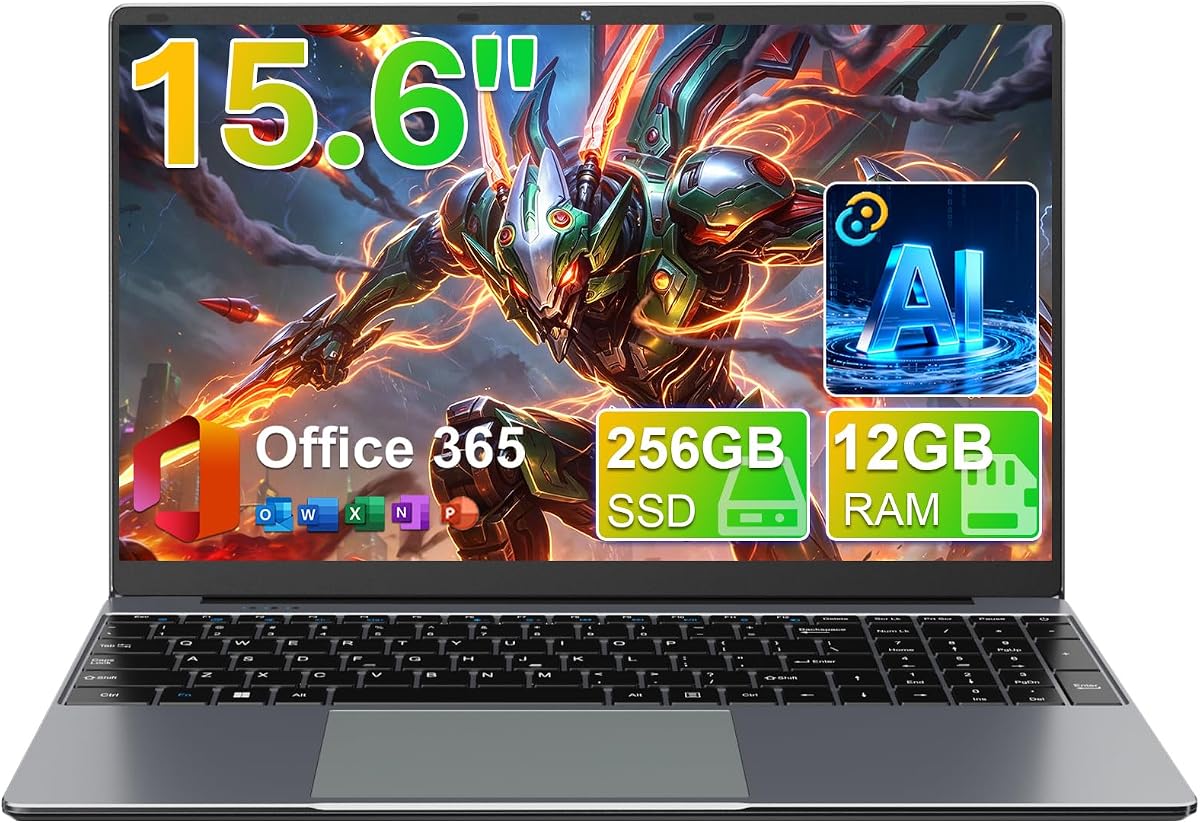


This Windows 11 laptop offers a solid entry point for engineering students on a budget. With a 4.5 rating, it balances performance and portability effectively for daily tasks.
We may earn a commission when you buy through this link, at no additional cost to you.
The Intel Core i3 processor paired with 12GB RAM handles multitasking smoothly. You can run multiple browser tabs and document apps while studying for exams without excessive lag.
While the 256GB SSD is modest, the ability to expand storage via TF card slot up to 2TB ensures you never run out of space for project files or large datasets.
Ideal for students needing a reliable device for general coursework and light coding. Its lightweight design and backlit keyboard make it perfect for late-night study sessions in the library.
The processor handles office software and online classes smoothly.
Expand storage easily with the TF card slot for all files.
We may earn a commission when you buy through this link, at no additional cost to you.
The HP Stream 14 inch model stands out for its massive storage potential. Coming with a docking station set, it offers over 1TB of space for projects and media.
We may earn a commission when you buy through this link, at no additional cost to you.
With 16GB of RAM, this machine supports smooth multitasking even when running virtual machines or heavy applications alongside web browsers and communication tools.
The Celeron processor is best suited for standard coursework rather than intensive engineering simulations. It ensures battery life remains decent while handling basic productivity needs efficiently.
Choose this for students prioritizing storage capacity and portability. The included Office 365 subscription adds immediate value for academic work and documentation.
1.06TB storage set ensures you never run out of space.
16GB RAM allows seamless multitasking across multiple apps.
We may earn a commission when you buy through this link, at no additional cost to you.
This HP 14 inch laptop delivers exceptional battery life with up to 11 hours. It is perfect for students attending back-to-back classes without needing a power outlet.
We may earn a commission when you buy through this link, at no additional cost to you.
The Intel Processor N150 provides efficient performance for daily tasks. Combined with 8GB RAM, it handles web browsing and document editing smoothly throughout the day.
Storage is limited to 128GB UFS, which may require cloud reliance for large project files. However, the speed of UFS ensures quick boot times and responsive system usage.
Select this for students needing reliability and portability. The built-in Copilot AI assists with writing and research, enhancing productivity during long study sessions.
Up to 11 hours of battery life covers a full day of classes.
N150 processor ensures smooth performance for everyday productivity.
We may earn a commission when you buy through this link, at no additional cost to you.
The HP 2026 Essential Laptop features a sleek micro-edge design perfect for students on the go. Its lightweight build makes it easy to carry in a backpack all day.
We may earn a commission when you buy through this link, at no additional cost to you.
Powered by the Intel N150 processor, it handles web browsing and document editing with responsive performance. The 4GB RAM is sufficient for basic productivity but limited for multitasking.
Connectivity is modern with USB Type-C and HDMI 1.4b. You can easily connect external monitors for expanded workspace during project development or research.
Ideal for students focused on text-based coursework and research. The anti-glare display reduces eye strain during long reading sessions and online lectures.
USB Type-C and HDMI allow easy connection to external monitors.
Reduces eye strain during extended reading and study sessions.
We may earn a commission when you buy through this link, at no additional cost to you.
This laptop offers a vibrant 15.6 inch FHD IPS display for clear visuals. The 180 degree hinge allows flexible viewing angles perfect for presentations or shared study sessions.
We may earn a commission when you buy through this link, at no additional cost to you.
With 12GB RAM and 256GB SSD, it handles multitasking well. The processor is older but efficient enough for standard engineering coursework and office applications.
Storage can be expanded up to 2TB via SSD or TF card. This ensures you have enough space for large datasets and software tools needed for your major.
Choose this for students valuing screen quality and flexibility. The built-in AI assists with daily tasks, saving time on administrative work during busy semesters.
The 180 degree hinge adapts to any viewing or presentation setup.
FHD IPS screen delivers rich colors for better visual experience.
We may earn a commission when you buy through this link, at no additional cost to you.
This HP 2026 model is optimized for productivity with Office 365 and Copilot AI included. It supports efficient workflows for students managing complex project schedules.
We may earn a commission when you buy through this link, at no additional cost to you.
The Intel N150 processor handles standard computing tasks well. With 4GB RAM, it suits web browsing and document editing but may struggle with heavier engineering software.
Design features a willow green cover and natural silver keyboard deck. The compact 14 inch form factor fits easily in bags while maintaining professional aesthetics.
Select this for students prioritizing office tools and reliability. The dual speakers ensure clear audio during virtual meetings and online lectures.
Copilot AI and Office 365 streamline writing and research tasks.
Stylish design with modern colors fits any academic setting.
We may earn a commission when you buy through this link, at no additional cost to you.
This model offers 640GB of storage, a rare find for budget laptops. It accommodates large datasets and software installations without requiring external drives.
We may earn a commission when you buy through this link, at no additional cost to you.
The Intel N200 processor provides consistent performance for standard engineering coursework. With DDR4 RAM, it ensures smooth handling of multiple applications simultaneously.
The 5.0 rating reflects high user satisfaction with its performance and value. The numeric keypad is a bonus for those frequently entering data or calculations.
Ideal for students needing significant storage on a budget. The privacy shutter on the camera adds security when using the device in public spaces.
640GB storage holds extensive project files and software tools.
Camera privacy shutter ensures security during public usage.
We may earn a commission when you buy through this link, at no additional cost to you.
This laptop excels in endurance with up to 11 hours of video playback. It keeps you productive throughout long study days without searching for outlets.
We may earn a commission when you buy through this link, at no additional cost to you.
The Intel N150 processor ensures responsive performance for basic tasks. With Wi-Fi 6 connectivity, you enjoy fast internet speeds in crowded campus environments.
Storage includes an additional 500GB portable drive in some bundles. This adds flexibility for carrying large engineering files to different locations easily.
Choose this for students prioritizing battery life. The ergonomic hinge design improves typing angles during extended typing sessions.
Up to 11 hours of battery life supports full day productivity.
Wi-Fi 6 delivers faster speeds in crowded networks.
We may earn a commission when you buy through this link, at no additional cost to you.
This Dell model offers premium performance with the Intel Core i5 1334U processor. It handles demanding engineering applications and simulations with significantly more power.
We may earn a commission when you buy through this link, at no additional cost to you.
Features like ComfortView software reduce harmful blue light to keep eyes comfortable during long study sessions. The ergonomic hinges improve typing angles effectively.
The 1 Year Onsite Service provides peace of mind for students away from home. If issues arise, support comes to your location rather than requiring shipping.
Select this for students needing robust processing power. It is ideal for major engineering tasks requiring reliable performance without constant slowdowns.
Core i5 processor handles demanding engineering applications efficiently.
Onsite service ensures quick resolution of hardware issues.
We may earn a commission when you buy through this link, at no additional cost to you.
This HP 17 inch laptop stands out as a powerful workstation for engineering students. With Ryzen 5 performance and 16GB RAM, it handles simulations and heavy software effortlessly.
We may earn a commission when you buy through this link, at no additional cost to you.
The 17.3 inch Full HD display offers a larger workspace. It improves precision when working on detailed design layouts or complex code structures.
Windows 11 Pro adds enhanced security and management features. This ensures your data remains protected and professional-grade management options are available.
Choose this for serious engineering majors needing top-tier performance. It delivers reliability and speed for demanding coursework and professional projects.
17.3 inch display provides ample room for multitasking windows.
Windows 11 Pro offers professional-grade security features.
We may earn a commission when you buy through this link, at no additional cost to you.
Selecting the right laptop involves balancing performance, portability, and budget. Understanding key components helps you avoid overspending or underpowered devices.
The processor is the brain of your laptop. For engineering, prioritize at least an Intel Core i5 or AMD Ryzen 5 to handle CAD and simulations.
A strong processor ensures smooth operation when running complex engineering software and virtual machines.
Memory is vital for multitasking. Aim for 16GB RAM to run multiple engineering applications and browsers simultaneously without slowdown.
Sufficient RAM allows you to switch between tasks quickly and efficiently.
SSD storage is mandatory for fast boot times and quick file access. Avoid traditional hard drives if possible.
Fast storage improves overall system responsiveness and reduces wait times for large projects.
A Full HD screen with IPS technology ensures accurate colors and viewing angles. Look for anti-glare coatings to reduce eye strain.
Good display quality helps you see details clearly during long design sessions.
Engineering students often carry laptops between classes. Look for at least 8 to 10 hours of battery life to last through your day.
Long battery life reduces reliance on outlets and improves mobility on campus.
Lightweight designs make carrying easier. Consider a 14-inch model if you commute daily to keep weight manageable.
A portable laptop reduces fatigue when walking across campus or traveling.
Ensure USB-C and HDMI ports are available for external monitors and peripherals. Fast Wi-Fi 6 is essential for reliable internet.
Strong connectivity allows seamless interaction with projectors and external devices.
Balance cost with performance. Entry-level models save money but may struggle with heavy software later.
Invest in a machine that grows with your academic needs to avoid early replacement costs.
Keep your laptop clean by using a microfiber cloth to wipe the screen and keyboard regularly. Dust buildup can trap heat and degrade performance over time.
Store your device in a padded bag to prevent physical damage. Avoid placing heavy items on top of the laptop to protect the screen and chassis.
Update software and drivers regularly to ensure security and stability. Use battery management settings to extend lifespan if you keep the laptop plugged in frequently.
Not all engineering programs require one, but for 3D modeling and rendering, a dedicated GPU helps significantly. Integrated graphics suffice for general coding and document work.
8GB is the minimum for basic tasks but 16GB is recommended for smoother performance with heavy software. You will notice lag with complex simulations on lower RAM.
15 to 17 inches offers the best balance of workspace and portability. Larger screens help with detailed design work but may be heavier to carry daily.
Aim for at least 512GB SSD to store operating systems, engineering tools, and project files. External drives can supplement this if you work with large datasets.
MacBooks work well for coding but may lack support for specialized Windows-based engineering software. Check your university's requirements before choosing a Mac.
At least 8 to 10 hours is ideal to cover your entire day without charging. This ensures you can study anywhere without hunting for power outlets constantly.
We reviewed ten laptops ranging from budget models to premium workstations. Each offers unique strengths in performance, storage, and portability to suit different academic needs.
Prioritize processor speed and RAM to ensure your laptop handles engineering software efficiently. Portability matters if you move frequently between classes and study areas.
Prices for these models change frequently, so check current deals before purchasing. Investing in the right machine will support your studies and technical projects for years to come.