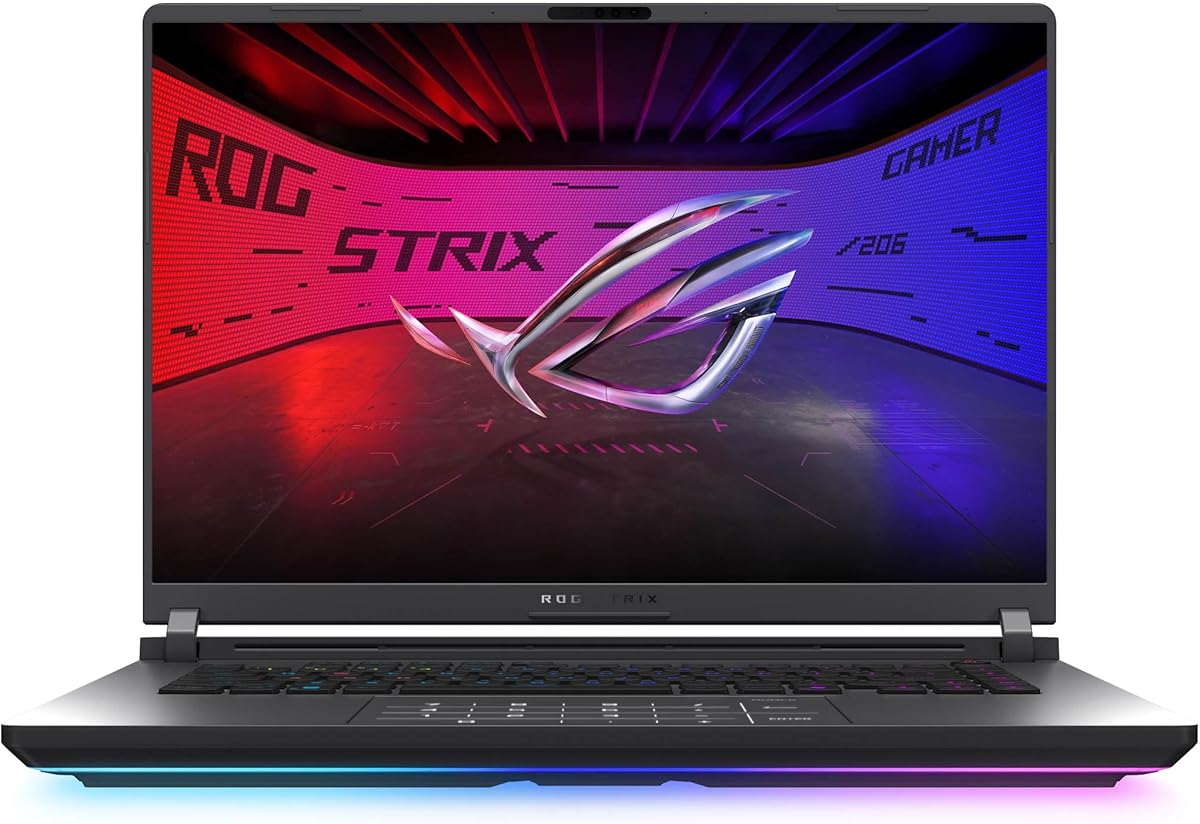
ASUS ROG Strix G16
4.3Editor score
RTX 5070 Ti GPU
240Hz Nebula Display
32GB DDR5 RAM
Choosing the right laptop for flight simulators requires balancing raw processing power with high fidelity graphics. You need a machine that can handle complex physics and detailed scenery without lag or stuttering during critical maneuvers.
We evaluated these products based on their processor speed, graphics card capability, memory capacity, and display refresh rates. Our analysis focuses on how well each device supports demanding simulation software like Microsoft Flight Simulator or X-Plane.
Each pick highlights specific strengths such as cooling efficiency, port selection, or screen clarity. Prices and availability fluctuate frequently, so verify current listings before making your final purchase decision for your cockpit setup.
4.3Editor score

4.4Editor score

4.2Editor score
As an Amazon Associate we earn from qualifying purchases.
This side-by-side comparison highlights the core specifications of each candidate to help you identify the best fit for your simulation needs.
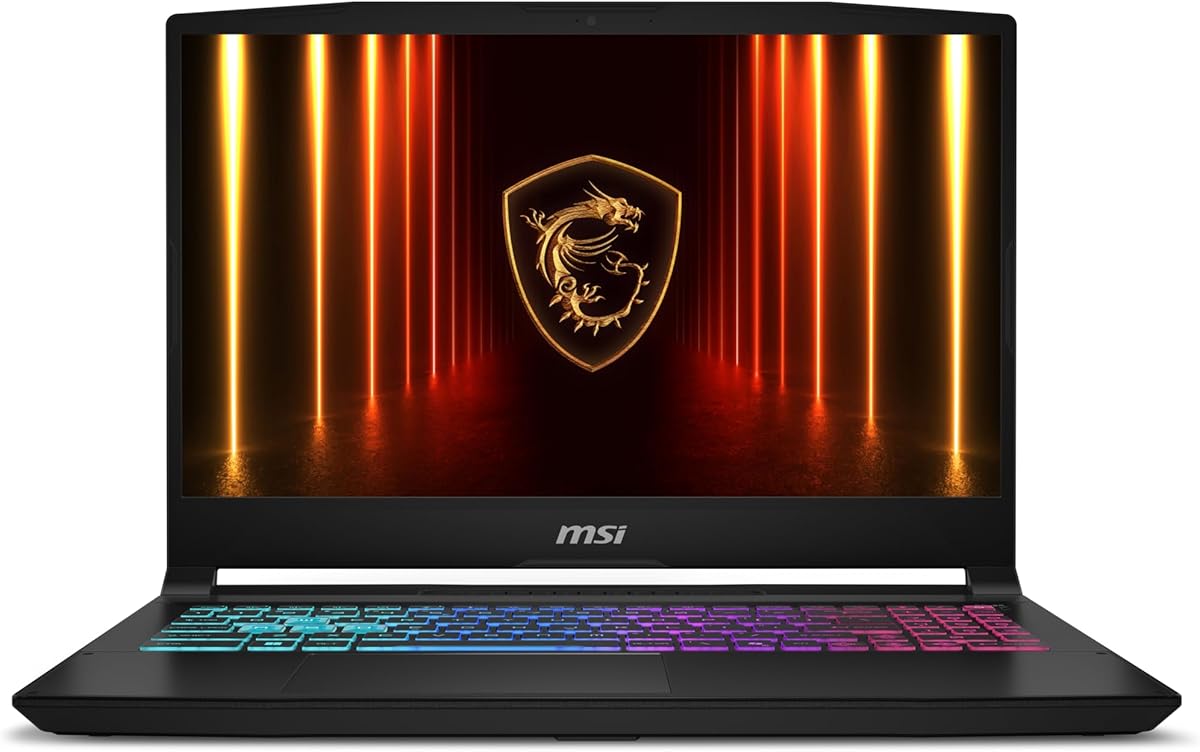




This gaming laptop stands out as a top contender for flight simulation enthusiasts seeking a balanced mix of performance and reliability. It features a robust Intel Core i7 processor paired with the NVIDIA RTX 5060 GPU to handle complex physics engines smoothly.
We may earn a commission when you buy through this link, at no additional cost to you.
The display offers a 165Hz refresh rate with 3ms response time which ensures minimal motion blur during high speed maneuvers. Its advanced ROG Intelligent Cooling keeps thermals in check even during long simulation sessions on the ground.
While the 16GB of DDR5 RAM is sufficient for most scenarios you might hit limits with heavily modded setups. The price reflects its premium components but remains competitive for the performance tier it occupies in the market.
Pilots looking for a dedicated machine that can handle Microsoft Flight Simulator without compromise will find this device compelling. It delivers the graphical fidelity and processing power needed for a truly immersive flying experience.
The 165Hz screen delivers crisp visuals that make cloud formations and terrain transitions look natural during flight.
Vapor chamber cooling prevents thermal throttling ensuring consistent frame rates over extended use.
We may earn a commission when you buy through this link, at no additional cost to you.
For those who demand the absolute best graphical fidelity this model offers a stunning Nebula display with 240Hz refresh rate. The RTX 5070 Ti GPU ensures that even the most detailed textures render without stuttering or lag during takeoff.
We may earn a commission when you buy through this link, at no additional cost to you.
With 32GB of DDR5 memory you can run multiple background applications while flying without worrying about system slowdowns. The Intel Core Ultra 9 processor provides ample headroom for future updates to simulation software.
The main drawback is the cost which places it out of reach for casual users. Additionally the build is substantial so portability might be a concern if you need to move your cockpit frequently between locations.
Serious flight simmers who want a desktop replacement experience will appreciate this laptop power. It is ideal for users who prioritize visual quality and raw speed over budget constraints.
A 240Hz panel makes fast aircraft movements look incredibly smooth and responsive to pilot inputs.
32GB RAM allows seamless switching between flight planning tools and the simulation client.
We may earn a commission when you buy through this link, at no additional cost to you.
This laptop brings a QHD+ display to the table which offers a sweet spot between resolution and performance. The 165Hz refresh rate ensures smooth visuals essential for tracking runway alignment and instrument readings accurately.
We may earn a commission when you buy through this link, at no additional cost to you.
Powered by an Intel Core i9 HX processor it handles complex simulations with ease. The Cooler Boost 5 technology helps maintain performance during extended flights though fan noise can be noticeable in quiet environments.
While the specs are impressive the build quality feels a bit less refined than some competitors. The RGB keyboard adds a nice touch but you might prefer a quieter typing experience for long planning sessions.
Flight enthusiasts who value screen clarity and processing speed will find this unit well suited. It offers a strong performance package that can handle most modern flight simulation titles with flying colors.
QHD+ resolution provides clear details for cockpit instruments and runway markings.
Core i9 architecture ensures quick loading times for large map areas and complex physics.
We may earn a commission when you buy through this link, at no additional cost to you.
This budget friendly option offers a surprisingly large 17.3 inch screen which is great for viewing virtual cockpits. With 32GB of DDR5 RAM it can manage multitasking needs even if the graphics are less powerful than premium models.
We may earn a commission when you buy through this link, at no additional cost to you.
The AMD Ryzen 5 processor handles basic flight simulation tasks well but will struggle with high fidelity ray tracing or advanced physics. It is a viable entry point for those just starting their journey into virtual aviation.
While it cannot match the graphical fidelity of dedicated GPUs it provides a solid foundation for learning. The expandable storage ensures you have room for various software and assets without needing external drives.
New pilots looking for an affordable machine to practice instrument procedures will find this appealing. It balances cost and utility effectively for lighter simulation workloads and educational purposes.
The 17.3 inch screen gives ample room for dashboard displays and navigation maps.
32GB RAM supports multiple apps running in the background while simulating flights.
We may earn a commission when you buy through this link, at no additional cost to you.
This package provides everything needed to start practicing aviation skills virtually including a dedicated controller. It focuses on realistic physics which helps translate simulator skills to real world aircraft piloting effectively.
We may earn a commission when you buy through this link, at no additional cost to you.
The software supports VR headsets allowing for a more immersive experience than traditional screen viewing. Online multiplayer options let you join others in shared airspace adding a social element to training sessions.
While it is designed for RC models the underlying physics are accurate enough for general flight training. Users looking for a dedicated hobbyist solution will appreciate the inclusion of the hardware right out of the box.
Hobbyists and pilots who want to practice maneuvers without risking expensive hardware should consider this bundle. It offers a cost effective way to refine skills in a safe controlled environment.
The included controller makes it easy to start flying immediately without extra purchases.
Multiplayer modes allow practice in shared virtual fields for a more realistic experience.
We may earn a commission when you buy through this link, at no additional cost to you.
This yoke system brings a professional level of control to your home cockpit setup. The stainless steel shaft ensures smooth and precise inputs which are critical for maintaining stability during flight.
We may earn a commission when you buy through this link, at no additional cost to you.
Included throttle quadrant adds essential functionality for managing engine power during takeoff and landing. The wide range of programmable buttons lets you map essential aircraft functions directly to your fingertips.
While it requires considerable desk space the stability provided by the desk clamps is invaluable. The build quality is robust enough to withstand heavy use over many years of simulation practice.
Pilots seeking a realistic control surface for Microsoft Flight Simulator or X-Plane will value this investment. It transforms a casual setup into a serious training environment for serious enthusiasts.
Precision mechanics mimic real aircraft controls for accurate handling in simulators.
Desk clamps adapt to various table sizes ensuring secure placement during intense sessions.
We may earn a commission when you buy through this link, at no additional cost to you.
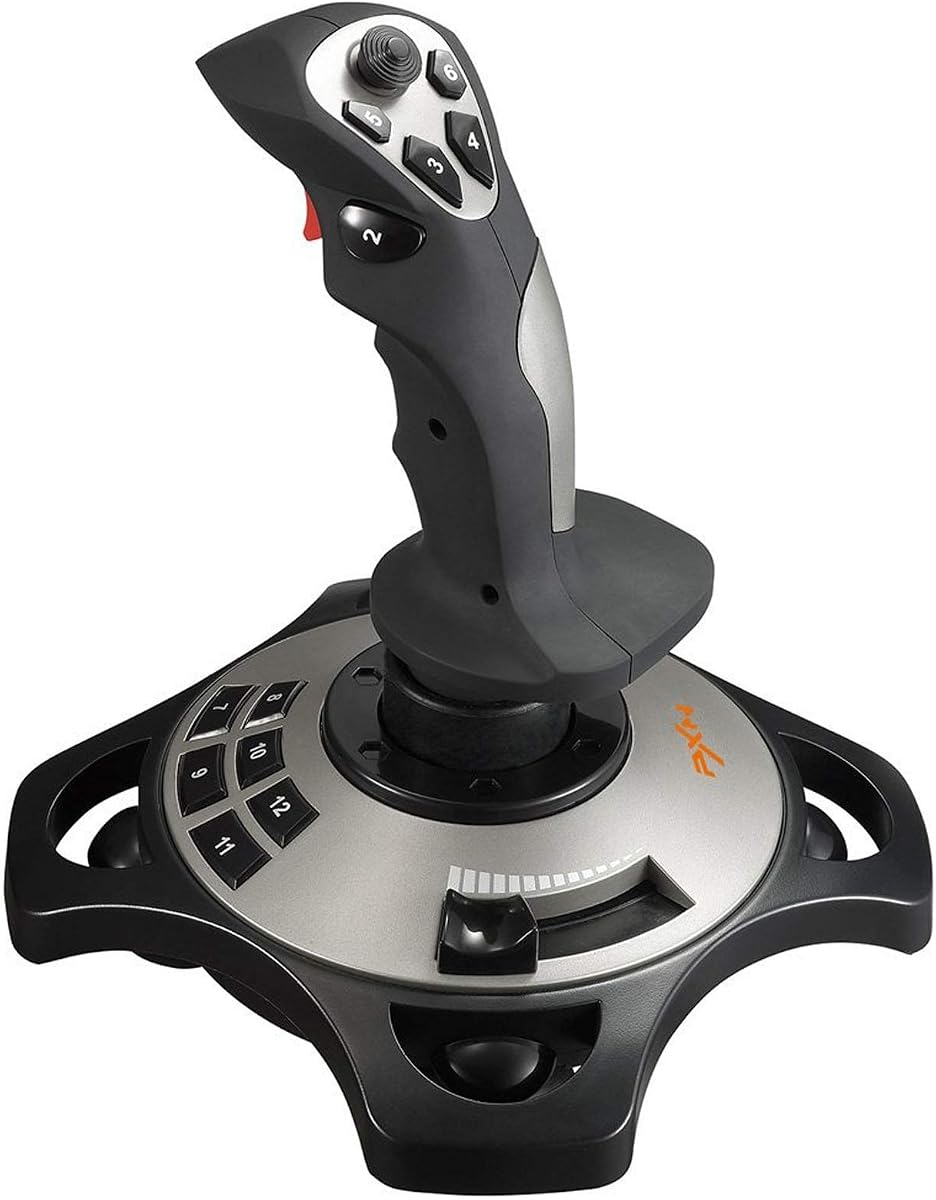
This joystick offers an affordable entry point into flight simulation controls without sacrificing essential features. Its plug and play setup means you can start flying immediately after connecting it to your PC.
We may earn a commission when you buy through this link, at no additional cost to you.
The adjustable resistance feature allows you to fine tune the stick tension to match your personal flying style. An integrated throttle lever and rudder twist handle provide comprehensive control in a single compact device.
While the materials feel slightly less premium than high end models it remains reliable for regular use. The weighted base ensures it stays in place even during aggressive maneuvers or rapid directional changes.
Casual pilots who need a single device for all flight inputs will find this very practical. It balances functionality and cost effectively for those not wanting to invest in separate throttle or rudder pedals.
Adjustable resistance helps users find the perfect feel for delicate maneuvers or fast action.
Combining throttle and rudder control saves desk space while maintaining full functionality.
We may earn a commission when you buy through this link, at no additional cost to you.
This budget controller provides essential flight stick features including vibration feedback for added immersion. The ergonomic design ensures comfort during extended flying sessions which is vital for maintaining focus.
We may earn a commission when you buy through this link, at no additional cost to you.
With 12 programmable buttons you can assign critical commands to easily accessible spots on the stick. The 8-way hat switch supports additional navigation options for better control over virtual aircraft settings.
User reports indicate occasional driver issues so checking compatibility before purchase is recommended. The vibration strength settings may require tweaking to feel optimal depending on your preference levels.
Casual gamers looking for an affordable control stick will find it meets basic needs. It is a reasonable choice for light flight simulation without demanding high end performance features.
Vibration adds tactile response to in-flight events like turbulence or engine changes.
12 buttons allow mapping of many common commands directly to the controller surface.
We may earn a commission when you buy through this link, at no additional cost to you.
These pedals deliver precise foot control that is essential for accurate turning and stability. The self-centering axis ensures that your inputs return to neutral smoothly without drifting over time.
We may earn a commission when you buy through this link, at no additional cost to you.
Engineered with an advanced rail system they offer friction free movement for responsive adjustments. The build is sturdy enough to handle years of use while maintaining consistent performance.
Some users may find the travel length slightly long for smaller feet though it ensures full range of motion. The design prioritizes stability which prevents unwanted slipping during intense cockpit maneuvers.
Pilot who require accurate foot inputs for coordinated turns should consider these pedals. They provide a reliable interface for managing yaw effectively during ground operations and in-flight corrections.
Aluminum rails provide a frictionless glide for precise control inputs during flight.
Ergonomic design keeps pedals secure during vigorous use for consistent control.
We may earn a commission when you buy through this link, at no additional cost to you.
This classic simulation title brings a unique flavor to flight training with dynamic weather based on real physics. The worldwide scenery and detailed terrain offer a vast playground for virtual pilots to explore.
We may earn a commission when you buy through this link, at no additional cost to you.
Interactive air traffic control adds realism by simulating real world airport procedures and instructions. It supports multi-monitor setups which enhances the immersive experience of a wide cockpit view.
While it uses older graphics technology it remains a respected title for its simulation fidelity. Some modern OS compatibility issues may require community patches for smooth operation on recent systems.
Enthusiasts who appreciate historical aviation software will enjoy its classic approach. It provides a foundational simulation experience for those interested in the evolution of virtual flight.
Dynamic systems create evolving clouds and conditions for realistic flight planning.
Worldwide scenery allows pilots to fly to any airport in the virtual world.
We may earn a commission when you buy through this link, at no additional cost to you.
Selecting the right hardware for flight simulation involves considering several key factors that impact performance and visual fidelity.
The graphics card is critical for rendering high resolution terrain and detailed aircraft models. Look for dedicated GPUs with enough VRAM to handle complex textures without stuttering.
Prioritize cards with ray tracing support for realistic lighting and shadow effects in modern simulation software.
A fast multi-core processor ensures smooth physics calculations and quick loading of large map sections. Core counts and clock speeds directly impact how well the system handles background tasks.
Choose a processor with at least six cores to maintain stable frame rates during intense flying conditions.
Memory determines how many applications you can run simultaneously while flying. More RAM prevents slowdowns when using navigation tools or voice communication apps.
Aim for at least 16GB of DDR5 memory to ensure fluid multitasking and future proofing.
A high refresh rate screen minimizes motion blur during fast banking and turning maneuvers. This improves your ability to track runway alignment and instrument readings accurately.
Look for refresh rates of 120Hz or higher to enjoy a smoother visual experience.
Flight simulation loads the system for long periods so efficient cooling is essential to prevent throttling. Look for models with vapor chambers or multiple fans for heat dissipation.
Good thermal design keeps noise levels low and ensures consistent performance over time.
Adequate connectivity is needed to link flight sticks yokes and other peripherals. Ensure enough USB ports are available for your entire setup without dongles.
HDMI or DisplayPort outputs allow you to connect external monitors for expanded cockpit views.
Fast solid state drives reduce loading times for large scenery packages and aircraft models. NVMe SSDs offer significantly faster data transfer compared to traditional hard drives.
At least 1TB of storage is recommended to accommodate large files and game installations.
Battery duration affects portability when working away from a power source for extended periods. Simulators drain power quickly so look for models with efficient components.
For desktop replacements battery life is less critical than sustained performance and cooling.
Set up your simulation software and connect your flight peripherals via USB ports before launching the application. Configure input mappings in the settings menu to match your preferred control layout.
Keep your system clean by regularly clearing dust from vents and fans to maintain optimal airflow. Use a soft brush or compressed air to prevent overheating during long sessions.
Update your graphics drivers and simulation software regularly to ensure compatibility and performance fixes. Monitor temperatures during flight to identify potential thermal throttling issues early.
For Microsoft Flight Simulator a dedicated GPU like the RTX 5060 or higher is ideal. These cards handle complex weather and terrain rendering efficiently. Ensure the card has enough VRAM to store detailed textures without lag.
While 16GB is sufficient for basic use 32GB helps with multitasking and heavily modded environments. It ensures smooth performance if you run other apps alongside the simulator. Consider your specific needs before upgrading.
Yes many gaming laptops support multiple external displays via HDMI or USB-C. This allows for a wider cockpit view or navigation screens. Verify the specific port capabilities of your chosen model.
A higher refresh rate like 120Hz or 144Hz reduces motion blur during fast maneuvers. This makes tracking instruments and the horizon easier. For serious simulators it is a worthwhile upgrade.
Most flight controllers use USB A connections so ensure your laptop has enough ports. Some devices may require USB-C adapters. Check your peripheral requirements before purchasing a laptop.
Laptops offer mobility but desktops generally provide better cooling and upgrade options. Choose a laptop if you need to move your setup between locations. Desktops are better for permanent cockpit installations.
Most modern flight simulators run on Windows 10 or 11. Some older titles may require legacy support. Check the system requirements of your specific software before installing.
We reviewed ten distinct options ranging from high performance gaming rigs to affordable entry level machines. Each model brings unique strengths that cater to different needs and budget levels.
Prioritize graphics performance and memory capacity to ensure your virtual flights run smoothly without interruption. A high refresh rate display will further enhance your visual experience significantly.
Remember that prices fluctuate so verify current listings before making your purchase decision for your setup.