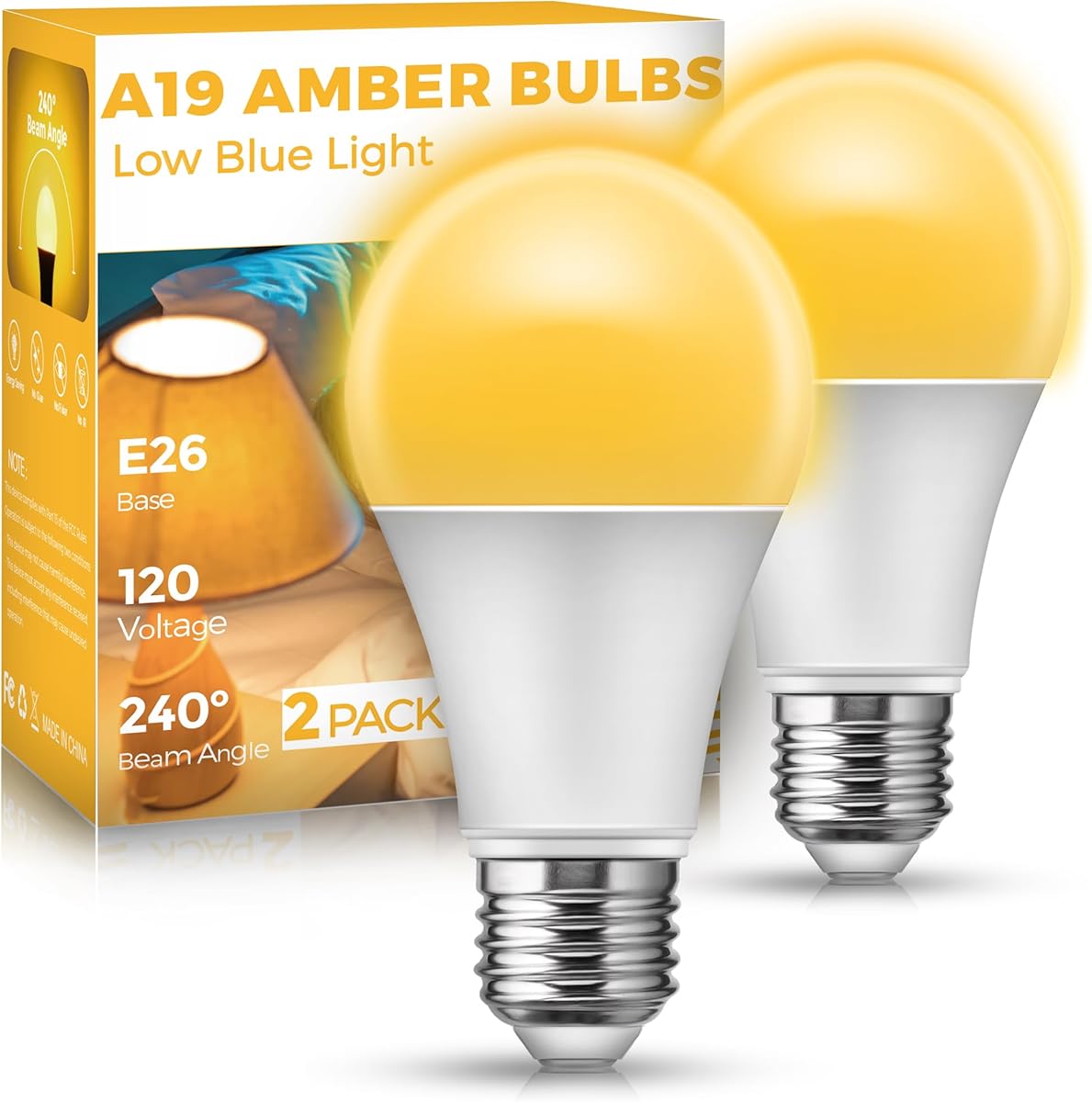
JandCase Sleep Light Bulb Amber
4.5Editor score
99.9 percent blue free
1900K warm glow
750 lumens soft light
This comprehensive guide compares the top ten LED light bulbs designed to reduce eye strain, improve sleep quality, and support circadian health with detailed
Modern lighting plays a crucial role in how our eyes feel throughout the day and night. Poor quality illumination can lead to headaches, fatigue, and disrupted sleep cycles. Choosing the right bulbs helps mitigate these issues by reducing glare and harmful blue light exposure.
We evaluated ten top-rated models based on their color temperature, flicker performance, energy efficiency, and user feedback. Our analysis focuses on how well each bulb supports eye health while maintaining brightness and versatility for different rooms in your home.
Each product selection highlights specific benefits like blue light blocking, dimmability, and long lifespan. Please note that prices and availability can change quickly, so verify current details before making your final purchasing decision for your specific lighting needs.
4.5Editor score

4.4Editor score

3.7Editor score
The following table provides a side-by-side comparison of all ten selected products to help you quickly identify key specifications like wattage, color temperature, and packaging size before making your choice.




This Sylvania model stands out as a top choice for general home lighting where eye comfort is a priority. With a rating of 4.4 stars, users appreciate its ability to provide steady illumination without causing fatigue. The soft white light creates a welcoming atmosphere while protecting vision health.
We may earn a commission when you buy through this link, at no additional cost to you.
The bulb delivers 800 lumens with a 90 CRI which ensures colors appear natural and true. This high color rendering reduces the strain eyes feel when distinguishing details in art or work tasks. The flicker-free technology is a key feature that minimizes headaches associated with cheap LED drivers.
While the frosted finish helps diffuse light to reduce glare, it slightly limits the raw brightness compared to clear options. The 2700K color temperature is warm but some users prefer warmer tones for evening use. These trade-offs are acceptable for a reliable general purpose bulb.
Homeowners looking for a dependable everyday bulb will find this pack ideal for high traffic areas. The long lifespan means fewer changes over time which saves effort and cost. We recommend this for living rooms or hallways where consistent comfort matters most.
The frosted glass diffuses harsh points of light that can cause squinting or irritation during extended viewing periods.
Using only 8 watts instead of 60 reduces electricity usage significantly while maintaining equivalent brightness for daily tasks.
We may earn a commission when you buy through this link, at no additional cost to you.
This amber bulb is specifically designed to support natural sleep cycles by eliminating blue light that disrupts hormones. It holds a strong 4.5 rating from users seeking better nighttime environments. The warm glow signals to the brain that rest time is approaching.
We may earn a commission when you buy through this link, at no additional cost to you.
The 1900K temperature creates a sunset-like ambiance that feels cozy and calming. With 99.9 percent blue free emission it effectively protects eyes from high energy visible light. This makes it perfect for bedside lamps where sleep quality is the main goal.
Since it is not dimmable users cannot adjust brightness levels easily. However this simplicity ensures stable performance without flickering issues from incompatible dimmers. The warm light is bright enough for reading but soft enough to avoid waking up fully.
Anyone struggling with late night screen habits will benefit from this bulb in their nightstand lamp. It serves as a physical reminder to wind down. We recommend pairing it with a timer for maximum convenience and sleep hygiene improvement.
By removing blue spectrum light this bulb helps your body produce melatonin naturally to prepare for deep rest.
This low cost option provides therapeutic lighting benefits without requiring expensive smart home hardware or complex setups.
We may earn a commission when you buy through this link, at no additional cost to you.
Philips brings a focus on color fidelity with a 95 CRI which is rare for standard residential LEDs. This ensures that skin tones and decor look vibrant and true. The EyeComfort certification means it meets strict criteria for visual comfort over long periods.
We may earn a commission when you buy through this link, at no additional cost to you.
The dimmable feature allows you to adjust light levels from functional bright to soft evening tones. This flexibility supports various activities like cooking or reading without switching bulbs. The clear glass design lets more light pass through compared to frosted options.
Some users report a lower rating due to specific dimmer compatibility issues that require testing. The higher price reflects the advanced technology but might not fit every budget. However for tasks requiring accurate color perception this performance is hard to match.
Artists or home office workers who need precise lighting will find this model worth the investment. It is also a good choice for display lighting where color matters. We suggest checking dimmer compatibility before bulk buying to ensure smooth operation.
The high CRI ensures objects appear as they would under natural sunlight making it ideal for detailed visual work.
Philips developed a standard to measure factors impacting eye comfort ensuring this bulb minimizes strain during use.
We may earn a commission when you buy through this link, at no additional cost to you.
This larger A21 bulb provides significant brightness with 1600 lumens suitable for high work areas. The daylight color temperature helps with focus and alertness during the day. It maintains the same eye strain reduction benefits as the smaller A19 version.
We may earn a commission when you buy through this link, at no additional cost to you.
The 15 watt usage is efficient for the amount of light produced. Users can adjust brightness with a dimmer to avoid overly harsh effects when needed. The 5000K light mimics natural daylight which helps regulate circadian rhythms during daylight hours.
The cool white light might feel too clinical for relaxation spaces like bedrooms. Some users prefer warmer tones for evening comfort. This makes it best suited for kitchens or garages where visibility and detail are the main priorities.
Workshops or home offices need this level of illumination to see details clearly without squinting. The long life ensures consistent performance for years. We recommend using this in areas where maximum visibility is required for safety or productivity.
Daylight color temperature boosts alertness and helps you stay focused during work tasks without feeling drowsy.
The high lumen output ensures you can see fine details clearly reducing the need to strain your eyes closely.
We may earn a commission when you buy through this link, at no additional cost to you.
Buying in bulk makes this pack a practical choice for whole house updates. The bulbs offer standard performance that is reliable for everyday fixtures. Each unit provides consistent soft white light that is easy on the eyes.
We may earn a commission when you buy through this link, at no additional cost to you.
The 800 lumens output is bright enough for general living spaces without being too intense. They are mercury free which means safe disposal and handling around children. The instant on feature allows quick access to light without waiting for warm up.
The lifespan is slightly shorter than the A21 version but still covers years of typical use. It lacks advanced color rendering or special sleep features found in other models. This simplicity is a trade-off for the lower price per bulb.
Families with many fixtures will appreciate having enough bulbs to replace old ones efficiently. It is a good baseline option for tenants or temporary living situations. We recommend this for large renovations where budget per bulb is a key factor.
An eight pack ensures you have enough replacements to standardize lighting across multiple rooms at once.
With no toxic materials these bulbs can be safely handled and disposed of without special hazardous waste programs.
We may earn a commission when you buy through this link, at no additional cost to you.
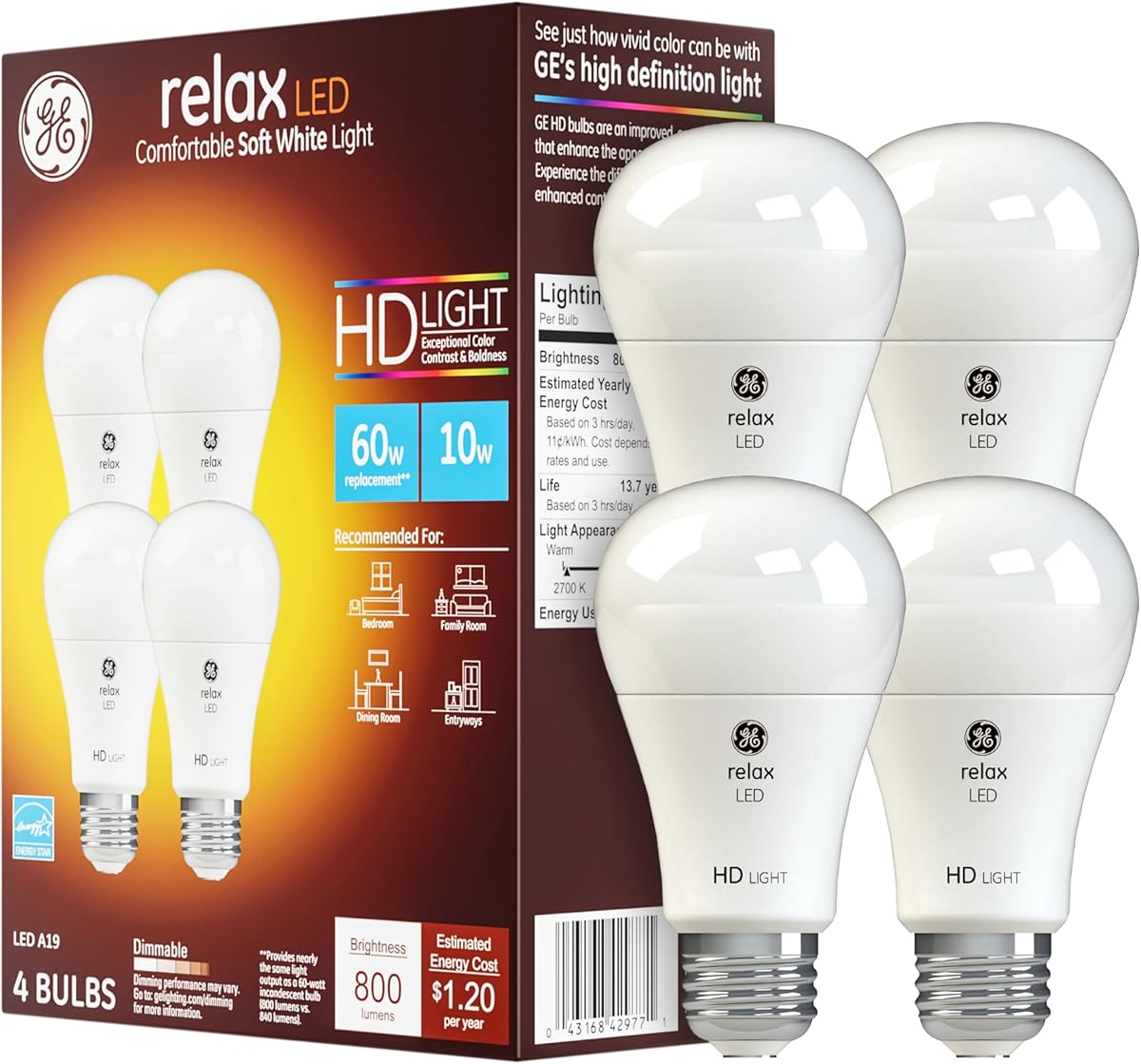
GE Relax bulbs are praised for their vibrant color reproduction which makes rooms look inviting. The high rating of 4.6 indicates strong customer satisfaction with their performance. The soft white light balances energy efficiency with comfortable illumination.
We may earn a commission when you buy through this link, at no additional cost to you.
These bulbs use 10 watts which is slightly higher than 8W but still efficient. The enhanced contrast helps you distinguish objects easier which reduces eye effort. They work well with most dimmer switches for flexible mood setting.
The higher wattage means slightly more energy usage than ultra efficient options but the brightness is consistent. They do not block blue light specifically which might not suit evening routines. However they are excellent for general daytime living areas.
Homeowners prioritizing a cozy warm look will enjoy the enhanced contrast features. They are reliable for dining rooms or family spaces where visual appeal matters. We recommend this for anyone wanting a trusted brand with good color quality.
Improved color rendering helps distinguish edges and details making reading and viewing more comfortable for your eyes.
GE has a long history of lighting solutions providing peace of mind regarding quality and consistent performance.
We may earn a commission when you buy through this link, at no additional cost to you.
This bulb offers one of the strongest blue light blocking profiles on the market. The 1800K amber light is very warm and signals rest time effectively. It is designed specifically to support sleep hygiene without bright interruptions.
We may earn a commission when you buy through this link, at no additional cost to you.
With only 3 watts consumption it uses minimal power for a nightlight effect. The 25000 hour lifespan is excellent for bulbs that stay on for long periods. This reduces the frequency of changing bulbs in difficult to reach fixtures.
The 300 lumens is quite dim which limits its use to small bedside lamps. It may not be enough for general movement in dark rooms. The non-dimmable feature means you must accept a fixed brightness level.
People who need to reduce anxiety or insomnia will find this helpful for calming evenings. It is perfect for nurseries where gentle light is safer for little eyes. We recommend pairing it with a small table lamp for best results.
Blocking nearly all blue spectrum helps your brain recognize it is time to sleep without hormonal interference.
The 25000 hour life means you can leave it in hard to reach places for years without changing.
We may earn a commission when you buy through this link, at no additional cost to you.
This amber bulb provides a warm glow that is safe for children's sleep routines. The 9 watt power offers good brightness compared to dimmer nightlight options. It balances visibility with low blue emission to protect eye health at night.
We may earn a commission when you buy through this link, at no additional cost to you.
With a CRI over 80 colors appear reasonably accurate without harsh glare. The 800 lumens allow you to see clearly enough for bedtime stories or feeding. The sunset glow creates a relaxing environment that reduces nighttime anxiety.
It is important to check dimmer compatibility as not all switches work smoothly. The 1800K temperature is very warm which might be too intense for sensitive eyes. Overall it is a solid middle ground between bright and dim.
Parents looking to avoid blue light in the nursery will appreciate this option. It supports natural sleep cues for both kids and adults. We recommend this for families wanting a dedicated night light that is also functional for reading.
The warm amber light minimizes disruption to sleep cycles making it safer and more comfortable for developing eyes.
With 800 lumens it provides enough light for tasks without waking up the full brain during night times.
We may earn a commission when you buy through this link, at no additional cost to you.
This bulb uses a 1600K color temperature that is warmer than typical amber bulbs. This extreme warmth is effective for deep relaxation before bed. It delivers 710 lumens which is decent for a low wattage amber option.
We may earn a commission when you buy through this link, at no additional cost to you.
The dimmable range allows you to adjust from full brightness to very low levels. This helps when you need a light for safety but want to stay asleep. The technology reduces strain by removing harsh blue spectrum elements.
The lower lumen count might not be enough for general lighting tasks. It is best reserved for specific low light scenarios. The extra warmth can feel cozy but may look orange to some users.
Those seeking the ultimate evening ambiance for sleep hygiene will find this effective. It is useful for meditation or reading before sleep. We recommend this for users who have tried standard bulbs and need something warmer.
The 1600K spectrum mimics firelight creating a calming effect that helps you mentally prepare for rest.
Being fully dimmable ensures you can set the perfect low light level for specific nighttime routines.
We may earn a commission when you buy through this link, at no additional cost to you.
This model focuses on efficiency with only 1.5 watts of power usage. It is ideal for permanent nightlight fixtures that stay on all night. The amber color supports sleep cycles without waking you up fully.
We may earn a commission when you buy through this link, at no additional cost to you.
It has zero flicker which is vital for sensitive eyes. The dimmable feature lets you tweak brightness for specific comfort needs. The 1800K light feels soft and welcoming for evening relaxation.
The brightness is very low so it is not suitable for general tasks. It acts mostly as a guide light in the dark. For reading it might be too dim but perfect for a quiet ambiance.
Parents with newborns will find this helpful for night feedings. It keeps the room dark enough for sleep while allowing visibility. We recommend this for bedrooms where light pollution is a major concern.
Using only 1.5 watts ensures you can leave it on all night without worrying about high electricity costs.
The driver is designed to provide steady light preventing subtle flickers that can cause headaches or eye pain.
We may earn a commission when you buy through this link, at no additional cost to you.
Choosing the right bulb involves balancing brightness, color, and light quality. Understanding key factors helps you select products that truly support your eye health.
Color temperature measured in Kelvin affects how warm or cool the light feels. Lower temperatures like 2700K or 3000K are softer and better for relaxation. Higher temperatures like 5000K are brighter and better for focus but can be harsh in the evening.
Choose lower temperatures for bedrooms to protect sleep cycles and higher ones for task areas like kitchens or offices.
Flicker occurs when the light output varies rapidly which can cause headaches and eye strain. Many cheap LEDs have drivers that flicker at high speeds. Look for products specifically labeled flicker-free to ensure steady illumination.
Verify the product description mentions flicker-free technology before buying to avoid potential eye fatigue issues.
Blue light disrupts melatonin production which regulates sleep. Evening exposure can make it harder to fall asleep. Bulbs with amber or warm filters reduce blue spectrum exposure to support healthy circadian rhythms.
Consider bulbs with 99 percent blue blocking for nighttime fixtures to improve overall sleep quality.
Brightness determines how well you can see without squinting. Higher lumens reduce eye strain when reading or working. However too much light in a small room can cause glare and discomfort.
Select a lumen count that matches your room size and task requirements to maintain comfort.
CRI measures how accurately colors appear under the light. Higher CRI values like 90 or above help you distinguish details and textures. Low CRI bulbs make colors look flat which can increase visual effort.
Aim for a CRI of 90 or higher for detailed tasks to reduce eye strain from color confusion.
Dimmers allow you to adjust light levels for different times of day. Dimming reduces brightness when you need a softer glow. Ensure the bulb is compatible with your existing dimmer switches to avoid flickering.
Choose dimmable bulbs for spaces where you want to transition from bright to soft lighting easily.
Efficient bulbs use less power to produce the same light. This reduces electricity costs and heat generation. LED technology typically uses less energy than incandescent options.
Select high efficiency LEDs to lower operating costs while maintaining quality light output.
Longer lifespan means fewer replacements and less maintenance. Most LEDs last around 15000 hours or more. This is especially important for hard to reach fixtures where changing bulbs is difficult.
Prioritize bulbs with 13 plus year life ratings for reliability and convenience.
Always turn off the power and let the bulb cool before replacing. Use the correct wattage for your fixture to avoid overheating and damage. Ensure the bulb fits snugly but not overly tight to prevent breakage.
Position lights so they shine on tasks rather than directly into your eyes. Use lamps with shades to diffuse light and reduce glare on screens. Avoid placing bright lights opposite to computer monitors to prevent reflection.
Clean bulbs regularly with a dry cloth to remove dust that dims light output. Check dimmers periodically to ensure they work smoothly with the bulb. If you notice flickering, test with a different dimmer to identify the issue.
For general comfort, 2700K to 3000K soft white is ideal as it is warm and relaxing. For tasks requiring focus, 4000K neutral white provides good contrast without being too harsh. Avoid high 5000K daylight bulbs in bedrooms to prevent sleep disruption.
No, high quality LEDs are designed to reduce flicker and glare. Cheap or unbranded bulbs often have poor drivers that cause flickering. Look for certified products labeled flicker-free to ensure comfortable lighting for your eyes.
Switch to amber or warm 1800K bulbs in your bedroom after sunset. Use dimmable fixtures to lower brightness before bed. Avoid using screens directly before sleep to allow your body to produce melatonin naturally.
Yes, dimmable bulbs let you adjust light to your specific needs throughout the day. This flexibility helps reduce eye strain during evening activities. They are a smart investment for multi-use rooms like living areas and offices.
Look for explicit claims in the product description stating flicker-free. You can also test with a smartphone camera which may show lines on flickering light. Certified EyeComfort products are more likely to pass flicker testing.
High CRI ensures colors look natural which helps eyes distinguish details easily. Low CRI makes images look flat requiring more effort to read or see clearly. Choose high CRI for reading lamps and workspaces to minimize strain.
Yes, but they may not provide enough light for focused tasks. Amber bulbs are best for evening relaxation. If you need daylight for focus, use 5000K bulbs during the day and switch to amber at night.
Some users find that flicker-free and low blue light bulbs reduce migraine triggers. Consistent illumination helps avoid the sudden changes that cause discomfort. However, individual reactions vary so consult a doctor if symptoms persist.
We found the Sylvania Reduced Eye Strain A19 as the best overall for comfort and the JandCase Amber as the best budget option. Philips offers premium color quality while Neporal provides excellent family-friendly night lighting. Each model brings unique benefits for different rooms.
Prioritize flicker-free performance and color temperature when shopping. A good bulb should feel invisible to your eyes and not cause fatigue. Look for high CRI and low blue light options for your sleeping areas.
Always check current prices and reviews before finalizing your purchase. Lighting needs vary by room so consider buying small packs first. Investing in quality lighting pays off in long term comfort and health.