
TP-Link AXE5400 Tri-Band
4.3Editor score
Tri-Band WiFi 6E Router
Near-zero latency 6 GHz band
EasyMesh-compatible for whole home
This guide compares the top low latency WiFi routers for gaming and streaming, highlighting speed, coverage, and security features to help you choose the best
Finding the right router means understanding what makes one truly low latency. You need hardware that processes data quickly, avoids congestion, and supports modern standards like Wi-Fi 7 or 6E for real-time applications.
We evaluated ten top models based on their throughput, signal stability, and advanced features like OFDMA and Multi-Link Operation. Our analysis focuses on devices that minimize lag for gaming and video calls.
Each pick below shows a unique strength, whether it is raw speed, budget-friendly value, or enterprise-grade security. Note that product availability and pricing may change over time, so verify details before buying.
4.3Editor score

4.6Editor score
4.3Editor score
The following table provides a side-by-side comparison of the ten leading low latency routers, detailing their key specifications, wireless standards, and unique features to help you make an informed decision.
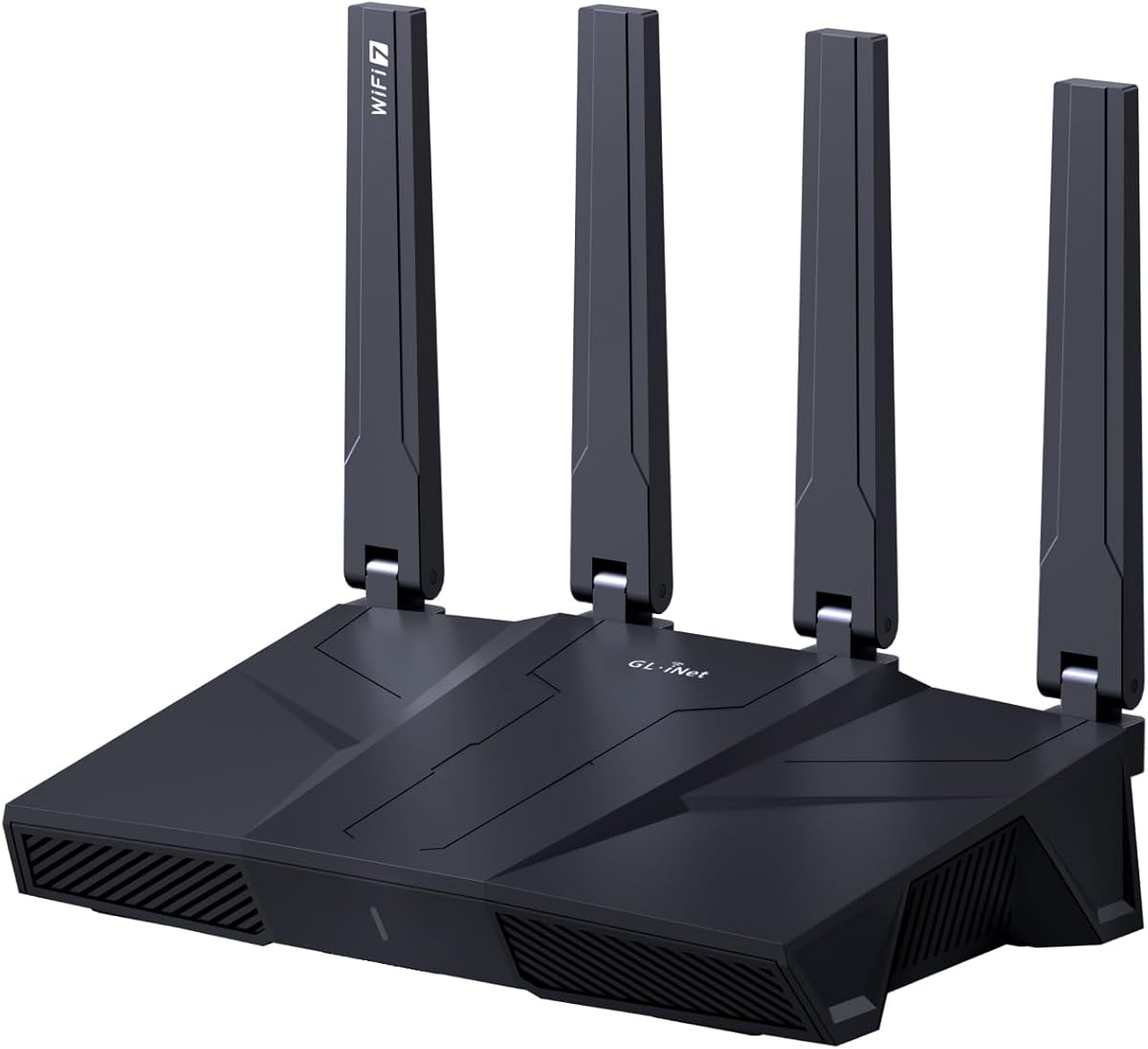



The GL.iNet GL-MT6000 Flint 2 stands out as a powerhouse for users seeking ultra-low latency gaming. With its Wi-Fi 6 standard, it delivers speeds up to 6 Gbps, ensuring smoother 4K streaming and video calls. The dual 2.5G ports provide a wired backbone for critical devices, reducing wireless interference.
We may earn a commission when you buy through this link, at no additional cost to you.
Its standout feature is the rapid VPN performance, with Wireguard and OpenVPN speeds reaching 900Mbps and 880Mbps respectively. This ensures secure connections without sacrificing bandwidth. The router also supports AdGuard Home, allowing precise control over tracking and ads. With DDR4 1GB RAM and 8GB eMMC storage, it handles complex tasks effortlessly.
While the firmware update upon setup is necessary, it greatly enhances performance. The interface is powerful but may require technical familiarity for full customization. However, the benefits of enhanced connectivity and security outweigh these minor hurdles for most advanced users.
Ideal for tech-savvy users and competitive gamers, this router balances raw speed with advanced features. Whether you need secure remote access or stable high-density connectivity, the Flint 2 delivers consistently. Its ability to cater to over a hundred devices makes it a top choice for modern smart homes.
Support for AdGuard Home and robust VPN protocols ensures your online experience remains secure and clutter-free.
High storage capacity and 8-stream Wi-Fi 6 technology accommodate a wide range of digital needs seamlessly.
We may earn a commission when you buy through this link, at no additional cost to you.
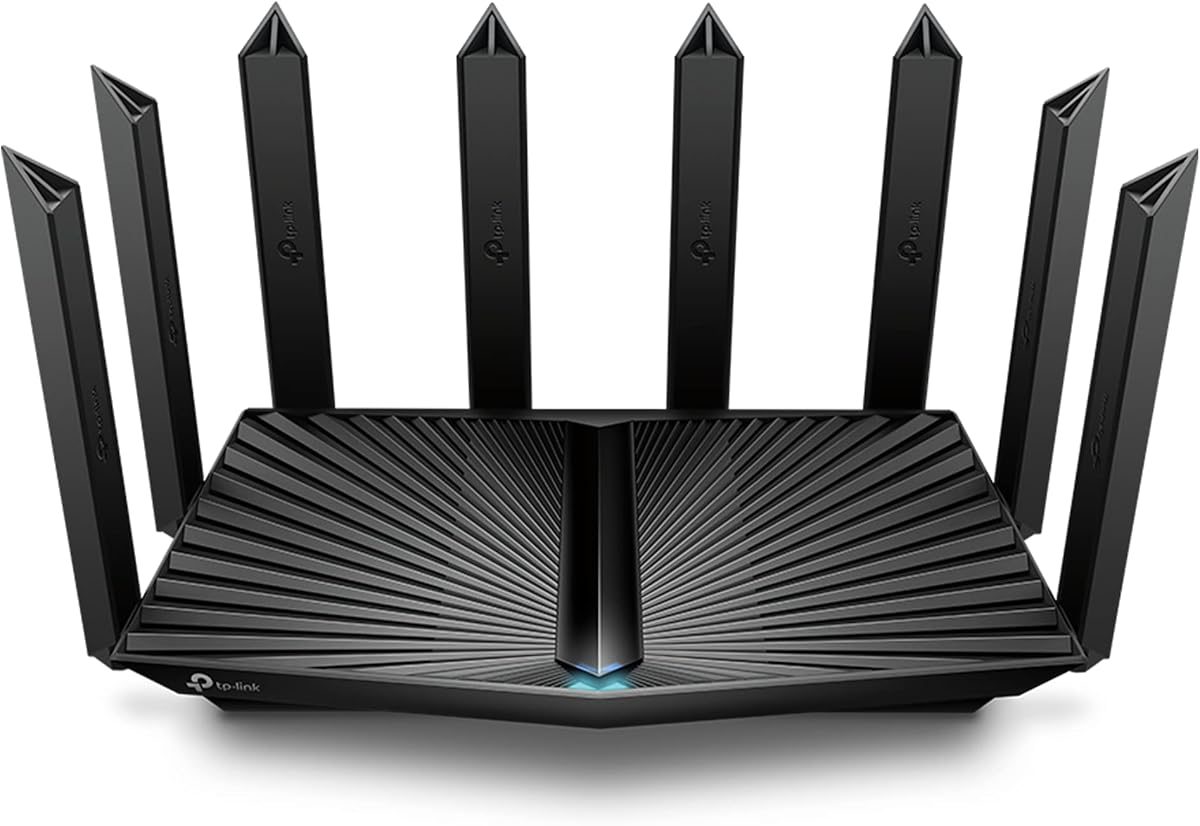
The TP-Link AXE5400 offers exceptional value for those needing modern Wi-Fi 6E speeds without breaking the bank. Its tri-band setup includes the 6 GHz band, which brings more bandwidth and near-zero latency for gaming. With speeds up to 5400 Mbps, it handles multiple high-demand tasks simultaneously.
We may earn a commission when you buy through this link, at no additional cost to you.
OFDMA technology boosts capacity by 4 times, allowing simultaneous transmission to more devices. This reduces lag during busy household times. The unique housing design ensures optimal heat dissipation, supporting long-term performance. It also supports VPN client/server functions and TP-Link HomeShield for basic security features.
While it lacks multi-gig Ethernet ports, its wireless performance is impressive for the price. The premium security features may require a subscription, but the free basic options are sufficient for most users. EasyMesh compatibility allows you to expand the network as your needs grow.
This router is perfect for budget-conscious buyers who do not want to compromise on performance. It supports all major ISPs and provides a solid foundation for a modern home network. If you need responsive gaming and video chatting, the AXE5400 is a reliable choice.
EasyMesh compatibility lets you extend the range seamlessly with extenders or powerline adapters.
Optimal heat dissipation and a high-speed 512 MB memory ensure stable operation over time.
We may earn a commission when you buy through this link, at no additional cost to you.
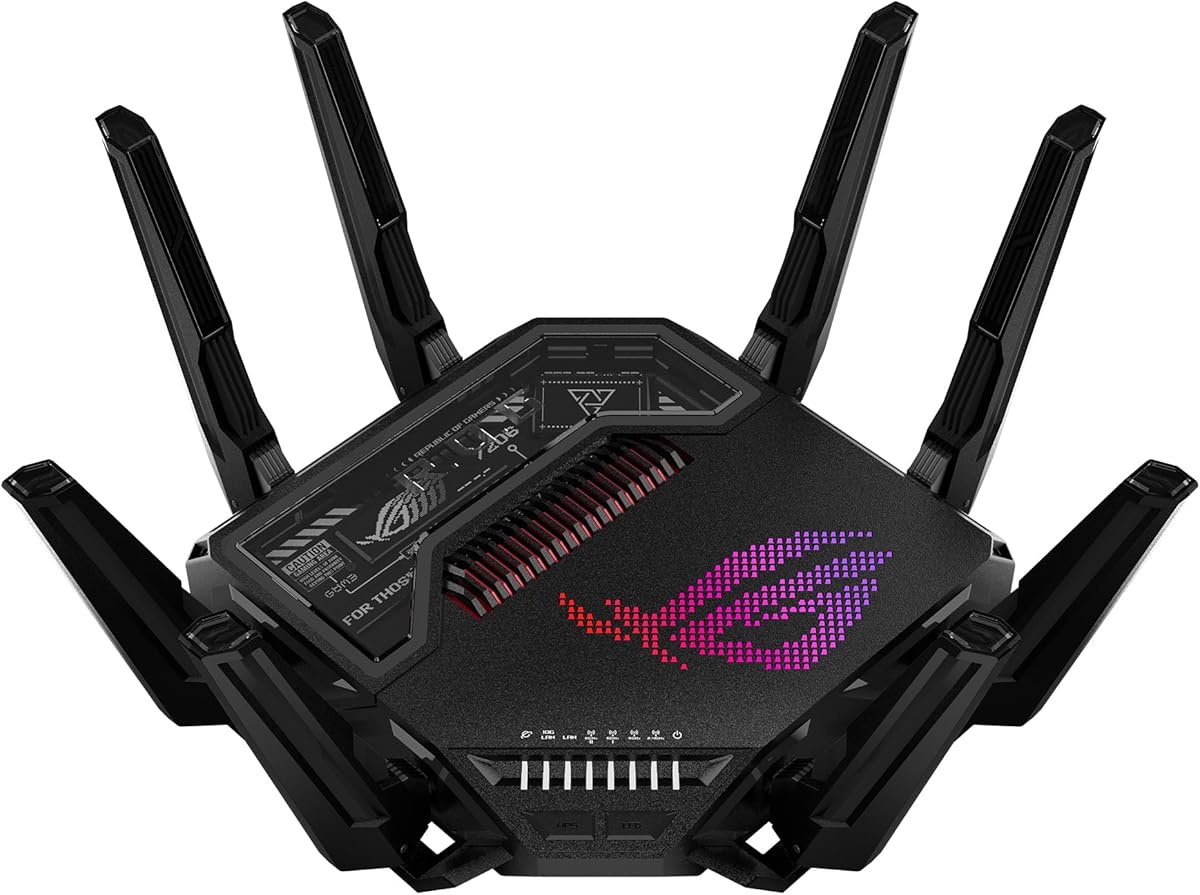
The ASUS ROG Rapture GT-BE98 Pro is a top-tier gaming router designed for enthusiasts who demand the absolute best. It supports Wi-Fi 7 with new 320MHz channels in the 6 GHz band, delivering speeds up to 30 Gbps. This ensures massive network capacity and throughput.
We may earn a commission when you buy through this link, at no additional cost to you.
Triple-Level Game Acceleration is a standout feature, boosting PC gaming traffic from your port to the game server. Multi-link Operation links multiple bands simultaneously for stable connections. With dual 10G ports and quad 2.5G ports, wired flexibility is unmatched. The external dual-feeding antennas significantly enhance signal strength.
While the cost is high, it justifies itself for users needing enterprise-grade performance. To reach the full 30 Gbps, compatible devices are required. However, for competitive gaming and heavy data transfer, this router offers unparalleled reliability and speed.
Ideal for dedicated gamers and power users, the GT-BE98 Pro sets a new standard for low latency. Its robust hardware and specialized features make it a future-proof investment. If you prioritize performance above all else, this router is the ultimate choice.
Triple-Level Game Acceleration ensures every step of your gaming traffic is optimized for speed.
Cutting-edge external dual-feeding antennas provide high efficiency and significantly enhanced signal strength.
We may earn a commission when you buy through this link, at no additional cost to you.
The GL.iNet GL-BE9300 Flint 3 pushes the boundaries of wireless technology with Wi-Fi 7 capabilities. It delivers speeds up to 9 Gbps, enabling smoother 8K streaming and gaming. MLO Technology ensures improved connectivity in high-density environments by linking multiple bands.
We may earn a commission when you buy through this link, at no additional cost to you.
Its hardware is robust, featuring 5x 2.5G ports for seamless wired connectivity. Parental Controls are enhanced with support for Bark, offering robust online safety tools. The router supports AdGuard Home and provides extensive coverage up to 2,000 square feet, making it suitable for large homes.
While the initial setup requires a firmware update, the result is superior performance. The price is higher than standard routers, but the advanced features and multi-gigabit ports justify the investment. It is a great choice for those needing both speed and security.
This model is ideal for tech-forward families and streaming enthusiasts. Its combination of cutting-edge standards and user-friendly controls makes it a versatile device. Whether you need fast downloads or safe browsing for kids, the Flint 3 delivers consistently.
MLO Technology and 4K QAM ensure significantly reduced latency and improved connectivity.
Integrated support for Bark helps parents tackle screen time and online safety effectively.
We may earn a commission when you buy through this link, at no additional cost to you.
The NETGEAR Nighthawk WiFi 7 router is built to handle the demands of a busy home. With speeds up to 9.3 Gbps across three bands, it ensures your fastest devices have their own lane. It covers up to 2,500 sq ft, making it ideal for larger homes.
We may earn a commission when you buy through this link, at no additional cost to you.
Its multi-gig ready wired connections include 2.5 Gig WAN and LAN ports, unlocking full potential for gaming rigs and NAS drives. The Nighthawk App lets you manage WiFi, run speed tests, and pause devices from anywhere. Security features like Advanced Router Protection are enabled out of the box.
While range can be reduced by obstacles, its strong signal strength generally performs well. The security subscription may be an extra cost, but the free trial offers a good start. The dedicated 6 GHz band ensures responsiveness during peak times.
This router is perfect for families needing reliable coverage and speed. Its app-based management simplifies network control for non-tech users. If you need a router that keeps up with streaming, gaming, and smart home devices, the Nighthawk WiFi 7 is a solid option.
The free Nighthawk App lets you manage your network from anywhere with guided setup.
Automatic firmware updates and Advanced Router Protection help keep your family safe online.
We may earn a commission when you buy through this link, at no additional cost to you.
The NETGEAR Nighthawk WiFi 7 Router RS90 offers a compact solution for modern home needs. It provides speeds up to 3.6 Gbps, which is 1.2x faster than standard WiFi 6. Its dual-band design is tailored for streaming, video calls, and gaming.
We may earn a commission when you buy through this link, at no additional cost to you.
It delivers coverage up to 2,000 sq ft for up to 50 devices. The 2.5 Gig WAN port allows you to utilize multi-gig internet plans effectively. The Nighthawk App supports guided setup, speed tests, and device management from anywhere.
While it is a dual-band router, its performance remains stable for most household uses. The security features are robust but may require a subscription after the trial. The compact size fits well in any living space without compromising performance.
Ideal for apartments and mid-sized homes, the RS90 balances size and power. It works with existing modems and most internet providers. If you need a reliable WiFi 7 router without the bulk of a full tri-band unit, this is a strong contender.
MU-MIMO and OFDMA let multiple devices send and receive data simultaneously.
Plug your modem into the 2.5 Gig WAN port to unlock multi-gig internet plans.
We may earn a commission when you buy through this link, at no additional cost to you.
The TP-Link Archer BE230 brings next-gen Wi-Fi 7 performance at an accessible price. It supports Multi-Link Operation and 4K-QAM for enhanced data capacity. Although it is dual-band, it delivers speeds up to 2882 Mbps on the 5 GHz band.
We may earn a commission when you buy through this link, at no additional cost to you.
A Next-Gen 2.0 GHz Quad-Core Processor manages high throughput and minimizes lag. Dual 2.5G ports allow multiple LAN devices to break the 1G barrier. Beamforming technology focuses signals toward hard-to-reach areas, covering up to 2,000 sq ft.
While the lack of 6 GHz support is a trade-off, the performance remains robust for most uses. EasyMesh compatibility ensures you can expand the network as needed. The Tether App makes setup and firmware updates straightforward.
This router is ideal for users looking to upgrade to Wi-Fi 7 without the full tri-band cost. It works with any internet provider and supports Alexa for voice control. If you need reliable dual-band performance with future-proof features, the BE230 is a great choice.
The state-of-the-art processor effortlessly manages high throughput with minimal latency.
Works with EasyMesh routers to eliminate drops and lags as you move between signals.
We may earn a commission when you buy through this link, at no additional cost to you.
The GL.iNet GL-BE6500 Flint 3e is one of the best Wi-Fi 7 gaming routers for secure browsing. It supports ultra-low latency Wi-Fi 7 speeds up to 6.5 Gbps. Its standout feature is rapid VPN performance with OpenVPN and Wireguard speeds up to 1100 Mbps.
We may earn a commission when you buy through this link, at no additional cost to you.
MLO and 4K-QAM breakthroughs ensure enhanced connectivity in high-density environments. The router covers up to 2,500 square feet and supports over 100 devices. Parental Controls help tackle screen time with integrated support for Bark.
While setup may require a video tutorial, the benefits of enhanced security are significant. The higher storage capacity caters to DIY users seeking additional plugins. This router offers a stable and reliable connection for streaming and gaming.
Ideal for privacy-focused users and tech enthusiasts, the Flint 3e balances performance and security. It handles multi-gigabit tasks and secure remote access effectively. If you need a robust router that secures your online experience, this is a top pick.
Wireguard and OpenVPN speeds up to 1100 Mbps give complete control over your bandwidth.
Strong, reliable signal strength covers up to 2,500 square feet for whole-home connectivity.
We may earn a commission when you buy through this link, at no additional cost to you.
The TP-Link AX6000 Wi-Fi 6 Router delivers exceptional dual-band performance. It provides speeds up to 4804 Mbps on 5 GHz with eight high-gain antennas for vast coverage. MU-MIMO and OFDMA work together to boost efficiency and number of connected devices.
We may earn a commission when you buy through this link, at no additional cost to you.
Its 2.5G Multi-Gigabit port ensures your router is not a bottleneck for fast internet plans. VPN Client support allows devices to access remote servers without extra software. The router is compatible with Alexa for easy voice commands.
While it lacks 6 GHz, its OFDMA capabilities reduce latency effectively. The OneMesh technology lets you create a single network with extenders. This makes it a strong choice for homes needing flexible expansion.
Ideal for users wanting strong performance without tri-band complexity, this router offers great value. Its security service protects your network with scanning and IoT identification. If you need reliable speeds for smart home devices, the AX80 is a solid choice.
OFDMA enables sharing a single data stream between multiple devices to enhance efficiency.
OneMesh creates a single Wi-Fi network between your router and range extender.
We may earn a commission when you buy through this link, at no additional cost to you.
The ASUS ROG Rapture GT-AXE11000 is a powerful gaming router built for speed. It supports Wi-Fi 6E, delivering speeds up to 11000 Mbps. The 6GHz spectrum provides wider channels, lower latency, and less interference for critical applications.
We may earn a commission when you buy through this link, at no additional cost to you.
Its quad-core CPU processor and cooling system bring computational capability to the next level. The 2.5G LAN/WAN port prioritizes traffic and unlocks full potential of the network. Triple-Level Game Acceleration optimizes traffic from device to game server.
While its size is large, it provides robust coverage and performance for gaming households. The 6GHz band ensures responsiveness during peak times. It works with most modems and requires bridge mode on some combos.
Ideal for gamers needing top-tier speeds, this router balances tri-band power with wired efficiency. Its optimized antenna design focuses signals for hard-to-reach areas. If you need a future-proof router with strong gaming features, the GT-AXE11000 is a great choice.
Optimized antenna design and cooling system bring computational capability to the next level.
Triple-Level Game Acceleration accelerates game traffic every step of the way.
We may earn a commission when you buy through this link, at no additional cost to you.
Choosing the right low latency router involves assessing several critical factors to ensure your home network supports gaming and streaming effectively.
Look for Wi-Fi 6E or Wi-Fi 7 standards which utilize the 6 GHz band for reduced interference and lower latency. Higher speeds like 9 Gbps or more ensure you can handle multiple data streams.
Prioritize routers with the latest standards to avoid bottlenecks as your devices upgrade.
MLO is a feature in Wi-Fi 7 that allows devices to connect to multiple frequency bands simultaneously. This improves stability and reduces latency by automatically switching to the best band.
Ensure your router supports MLO if you want the most reliable connection for real-time applications.
For gaming rigs and NAS drives, having 2.5G or 10G Ethernet ports is crucial. These ports ensure your wired devices are not limited by standard 1G caps.
Check the number and type of ports to match your critical devices for maximum stability.
Ensure the router provides sufficient range for your home. External antennas and beamforming technology focus signals to reduce dead zones and maintain low latency.
Consider mesh compatibility if you have a large home to ensure consistent performance everywhere.
QoS settings allow you to prioritize gaming traffic over other tasks like downloads. This ensures low latency even when the network is busy.
Look for routers with advanced QoS features to manage bandwidth effectively.
A powerful dual-core or quad-core processor is necessary to handle multiple connections without lag. High RAM allows the router to maintain stability under heavy loads.
Review specifications for CPU speed and memory capacity to ensure reliable long-term performance.
Built-in security protects your network from external threats. Look for firewalls, parental controls, and secure VPN options to keep your data safe.
Prioritize routers that offer regular firmware updates to patch vulnerabilities and maintain security.
Intuitive apps and setup guides make managing your network simpler. Features like guest networks and device pausing help you control your network easily.
Choose a model with a user-friendly interface to avoid complicated configuration processes.
Place your router in a central, elevated location to maximize signal strength and reduce latency. Avoid enclosing it in cabinets or placing it near thick walls or appliances that may cause interference.
Regularly update your router's firmware to ensure you have the latest security patches and performance improvements. Most modern routers allow you to check for updates via their web admin panel or mobile app.
Monitor connected devices and prioritize gaming or streaming traffic through QoS settings to maintain a low latency connection. Clear cache and reset the router periodically if you notice unexpected drops in performance.
The most critical factor is a modern wireless standard like Wi-Fi 6E or Wi-Fi 7 which supports the 6 GHz band. This band provides more bandwidth and less congestion. Combined with a powerful processor and Multi-Link Operation, it ensures minimal lag.
While Wi-Fi 7 offers the lowest latency, high-end Wi-Fi 6E routers can also perform well. If you have a fast internet plan and many devices, a Wi-Fi 7 router future-proofs your network. However, a good Wi-Fi 6 model may suffice for smaller setups.
Yes, using a wired Ethernet connection is the best way to eliminate wireless interference. Most low latency routers include high-speed ports like 2.5G or 10G to ensure your gaming rig or PC gets a stable link.
QoS allows you to prioritize specific traffic such as gaming or video calls over downloads. By allocating more bandwidth to these tasks, the router reduces lag and ensures a smooth experience even when other devices are using the network.
Yes, reputable brands like ASUS and TP-Link invest heavily in R&D for better signal processing and firmware. This leads to more efficient handling of data and better optimization for gaming scenarios. Always check reviews for real-world performance.
Check if your firmware is up to date and restart the router. Ensure your modem is in bridge mode to avoid double NAT. Also, verify that your internet plan supports multi-gigabit speeds so the router is not the bottleneck.
We reviewed ten top models, from the budget-friendly TP-Link AXE5400 to the premium ASUS ROG Rapture GT-BE98 Pro. Each offers unique strengths depending on your specific needs for gaming, streaming, or large home coverage.
Prioritize modern wireless standards and powerful hardware to ensure your network remains stable and fast. Look for features like QoS and Multi-Link Operation that directly contribute to reducing lag during peak usage.
Remember to check current availability and pricing before making your final decision. Your ideal router may change based on your ISP's current offerings and your specific device setup.