
Handheld Fish Finder Portable Fishing Kayak Fishfinder Fish Depth Finder Fishing Gear with Sonar Transducer and LCD Display
4.2Editor score
Portable handheld design
200 kHz sonar frequency
Battery powered operation
Finding the right tool to locate fish doesn't require breaking the bank. Affordable sonar units have advanced significantly, offering clear displays and reliable depth readings for budget-conscious anglers. Whether you fish from a kayak or a small boat, there is a suitable option for every need.
We evaluated ten top-rated models based on performance, ease of use, and value. Our analysis covers handheld devices, castable units, and traditional mounted finders. Each product was selected for its ability to deliver accurate data while maintaining a low price point.
This guide provides detailed reviews and comparisons to simplify your decision. Each pick highlights key features, pros, and cons to help you choose wisely. Remember that prices can fluctuate, so check current offers before purchasing your new gear.
4.2Editor score
4.6Editor score

4.7Editor score
As an Amazon Associate we earn from qualifying purchases.
This side-by-side comparison details the core specifications of every model listed. Use this table to quickly identify display sizes, sonar types, and installation requirements before making your final selection.


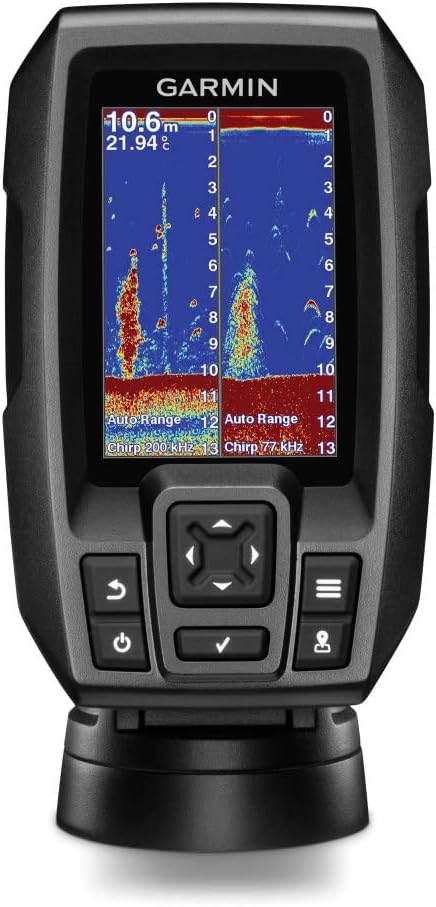
The Garmin Striker 4 stands out as a versatile option for anglers seeking high-quality sonar at an accessible price. With a solid rating, it delivers near-photographic images that help identify fish and structure clearly. Its interface is intuitive, making it ideal for beginners and experienced users alike.
We may earn a commission when you buy through this link, at no additional cost to you.
This model features ClearVü scanning sonar, which provides a detailed view of the water around your boat. The CHIRP sonar ensures crisper fish arches and better target separation. You also get a built-in flasher for ice fishing and a waypoint map to navigate efficiently to known spots.
While the 3.5-inch display is compact, it remains readable in bright conditions due to its high contrast. The IPX7 water rating ensures durability against splashes. The only trade-off is the limited screen real estate compared to larger models, but the functionality compensates well.
This unit is perfect for small boats, kayaks, or anyone needing a reliable GPS-enabled finder. It balances performance and price exceptionally well. If you want accurate data without complex setup, the Striker 4 is a strong recommendation for your next trip.
ClearVü technology renders underwater objects with unprecedented detail, helping you distinguish between rocks, weeds, and fish instantly.
Mark your favorite fishing spots with the waypoint map, allowing you to return to productive areas with precision every time.
We may earn a commission when you buy through this link, at no additional cost to you.
The Lowrance Eagle offers an affordable entry point into quality fish finding. Its 4-inch IPS screen remains clear even in direct sunlight, ensuring you see fish icons and depth without squinting. Auto-Tuning Sonar simplifies setup by optimizing settings automatically.
We may earn a commission when you buy through this link, at no additional cost to you.
You get a broad 44-degree beam from the included Bullet Skimmer transducer, which is excellent for kayaks and small boats. The twist-lock connector makes installation and removal quick, saving you time on the water. Fish icons help identify schools without needing deep technical knowledge.
This unit focuses on core functionality rather than advanced mapping or chartplotting features. While it lacks premium extras, it delivers reliable depth and target separation for casual fishing. The portrait design fits well in tight spaces where width is limited.
Ideal for anglers who want a straightforward tool to locate fish quickly. It reduces the need for manual adjustments, letting you focus on fishing. For budget shoppers needing clarity and ease of use, the Eagle is a dependable choice.
The IPS screen technology ensures high visibility even in harsh lighting, so you never miss a strike due to glare.
Twist-lock connectors mean you can install or remove the unit in seconds, perfect for portable fishing setups.
We may earn a commission when you buy through this link, at no additional cost to you.
This handheld unit is designed for ultimate portability, fitting easily into a tackle box or being worn around the neck. It shows water depth, fish location, and bottom composition like sand or rocks. The 200 kHz sonar frequency provides accurate readings for most fishing conditions.
We may earn a commission when you buy through this link, at no additional cost to you.
You can use it on a slowly moving kayak under 5 mph or while stationary off a dock. The device runs on four AAA batteries, offering several hours of continuous use. Sensitivity settings allow you to adapt to different water clarity levels.
While it cannot handle high speeds, it serves well for shore fishing or ice angling. The ability to detect fish size helps target specific species. It is a practical solution for those who do not want to mount a permanent device.
If you need a lightweight, battery-powered tool to check depths quickly, this model delivers. It simplifies the process of scouting new spots without expensive gear. Its affordability makes it a great backup or primary unit for casual anglers.
Whether you are fishing in fresh or salt water, this unit adapts to provide consistent depth and fish data.
With selectable settings and saved preferences, you can customize the display to suit your specific fishing environment.
We may earn a commission when you buy through this link, at no additional cost to you.
The STRIKER Vivid 4cv brings premium features to a compact package. Its color display uses vivid palettes to distinguish fish and structure effortlessly. The inclusion of Quickdraw Contours mapping allows you to build your own maps on the fly.
We may earn a commission when you buy through this link, at no additional cost to you.
It includes the GT20 transducer for both traditional CHIRP and ClearVü scanning. This dual capability ensures you get both deep water penetration and high-resolution bottom images. High-sensitivity GPS helps you mark waypoints accurately for future trips.
While it is more expensive than basic models, the mapping and display quality justify the cost. The tilt/swivel mount gives you optimal viewing angles from any seat. It is an upgrade that enhances your ability to navigate and locate fish simultaneously.
This model suits anglers who value detailed visuals and mapping without buying a full chartplotter. If you want a professional touch in a portable size, the Vivid 4cv is worth the investment. It combines reliability with advanced technology.
Create custom depth contours automatically as you boat, saving valuable data about your favorite fishing lakes.
The color palette system highlights fish arches distinctly, reducing eye strain and improving target identification.
We may earn a commission when you buy through this link, at no additional cost to you.
The PiranhaMAX 4 is a straightforward device focused on core sonar performance. Its dual beam sonar lets you choose between narrow detail and wide coverage. This flexibility helps you identify fish structure or cover more ground efficiently.
We may earn a commission when you buy through this link, at no additional cost to you.
You get a clear display that is easy to read, paired with a tilt and swivel mount for adjustable viewing. The interface is designed for speed, with essential functions accessible immediately. It includes a transom-mount transducer ready for quick installation.
While it lacks GPS or mapping, it excels at providing reliable depth and fish detection. The one-year warranty adds peace of mind for new users. For those who prioritize simplicity over advanced charts, this unit meets the need well.
This model is ideal for weekend anglers who want to find fish quickly without technical complexity. It offers a balance of performance and cost that fits many budgets. If you need a dependable traditional finder, the PiranhaMAX 4 delivers.
Switch between wide and narrow beams to adapt to changing water conditions and target types instantly.
With few buttons and intuitive controls, you can start fishing within minutes of unboxing the device.
We may earn a commission when you buy through this link, at no additional cost to you.
This portable unit is built for anglers who need flexibility on the water. The handheld display pairs with a castable transducer that you can attach to a hull or throw into the water. It shows fish location, depth, and bottom details like weeds.
We may earn a commission when you buy through this link, at no additional cost to you.
You can switch between feet and meters for depth readings. The backlight ensures visibility in darkness, making it useful for early mornings or late evenings. A neck strap helps you keep your hands free while managing lines or nets.
It works well in fresh and salt water environments. The fish alarm notifies you when schools pass by, reducing the need to constantly watch the screen. Battery life supports several hours of operation, though spares are recommended.
If you need a versatile, low-profile device for kayak or shore fishing, this is a strong candidate. It removes the bulk of mounted systems while keeping essential data available. The LUCKY brand offers a practical solution for casual fishing trips.
Attach the transducer to your kayak or throw it in to check depths without drilling into your vessel.
Receive alerts when fish are detected so you can focus on casting rather than monitoring the screen.
We may earn a commission when you buy through this link, at no additional cost to you.
The Helix 5 offers high-end sonar and navigation capabilities. Dual Spectrum CHIRP Sonar delivers detailed fish arches and structure views. It includes Humminbird Basemap, providing coverage of thousands of lakes and coastlines for navigation.
We may earn a commission when you buy through this link, at no additional cost to you.
AutoChart Live lets you generate maps of depth contours and vegetation while boating. The keypad interface is reliable in all weather conditions, allowing easy access to settings. This unit bridges the gap between simple sonar and full chartplotting.
While more complex than basic finders, it offers significant advantages for serious anglers. The mapping features help you understand the terrain below your boat. If you explore new waters often, the GPS and mapping tools are invaluable.
Consider this model if you want professional navigation without a massive screen. It is robust, accurate, and highly capable. For those who demand precision and detail, the Helix 5 provides a premium experience.
AutoChart Live records depth data in real time, creating custom maps of your favorite fishing spots over time.
Dual Spectrum CHIRP separates targets effectively, ensuring you see individual fish even in crowded areas.
We may earn a commission when you buy through this link, at no additional cost to you.
This wireless fish finder eliminates the need for cables between the sensor and display. You can cast the sensor up to 262 feet, allowing flexible placement without drilling holes. The unit is rechargeable, reducing ongoing battery costs.
We may earn a commission when you buy through this link, at no additional cost to you.
The color LCD display shows depth, temperature, and fish size. You can toggle background colors to improve readability in sunlight. It is suitable for lake, river, and sea fishing from various platforms like kayaks or boats.
While the sensor must be charged separately, the convenience of wireless operation is a significant benefit. It allows you to fish in spots where a fixed transducer is not practical. The device also provides bottom contour details for better targeting.
Ideal for anglers who need mobility and want to avoid permanent installation. It offers a modern approach to portable fishing tech. For those seeking a clean setup without wires, this rechargeable unit is a practical choice.
Cast the sensor to any spot and receive data without running cables through your boat or kayak.
Rechargeable batteries reduce waste and save money over time compared to disposable cell units.
We may earn a commission when you buy through this link, at no additional cost to you.
This model features a colorful LCD screen that displays fish icons, temperature, and depth clearly. The sensor detects up to 147 feet underwater, covering most freshwater and shallow saltwater scenarios. It supports multiple languages for international users.
We may earn a commission when you buy through this link, at no additional cost to you.
The wireless sensor includes a lamp that attracts fish, potentially improving your catch rate. It activates automatically when touching water, ensuring ease of use. You receive alarms when fish pass the sensor coverage area.
While it offers standard depth detection, the lamp feature adds a unique advantage. The rechargeable battery on both units reduces maintenance. It is designed for user-friendly operation across different fishing styles.
Choose this if you want a visually clear display and a sensor that actively helps fish. It is a versatile option for kayaks or shore fishing. For those looking for a friendly gadget, this unit delivers added value.
The sensor lamp can attract curious fish, increasing the likelihood of a catch in specific conditions.
Select from 21 languages to ensure the interface matches your preference for easier operation.
We may earn a commission when you buy through this link, at no additional cost to you.
This portable unit uses dual frequencies to fine-tune sonar readings for different conditions. The LED display supports black or white backgrounds for optimal viewing in any light. You can mount or float the sensor easily without drilling.
We may earn a commission when you buy through this link, at no additional cost to you.
It shows water temperature, bottom contour, and fish size to help you understand the environment. The receiver and sensor are both rechargeable, offering about six hours of continuous use. It works well for ice, lake, and sea fishing.
Note that it may not show icons in very shallow water. Checking the sensor battery requires placing it in water. Despite these minor points, it delivers robust features for a budget-friendly wireless model.
Ideal for anglers who want versatility and color display options. The dual frequency technology helps adapt to different water types. If you need a flexible, rechargeable fish finder, this model is a solid option to consider.
Adjust between 125 kHz and 433 kHz to optimize readings for your specific fishing conditions.
Water temperature readings help identify thermoclines and fish preferences for better targeting.
We may earn a commission when you buy through this link, at no additional cost to you.
Selecting the right fishfinder requires balancing budget, features, and portability. This guide outlines key factors to consider so you can make an informed decision.
Sonar technology determines the clarity of your underwater view. Traditional 2D sonar provides basic depth and structure, while CHIRP or scanning sonar offers detailed images. For cheap units, look for dual beam or 200 kHz frequencies which deliver good value.
Focus on CHIRP or ClearVü if you need detailed targets, but standard 2D sonar is often enough for general use.
Display size affects readability in bright conditions. Small screens like 3.5 to 4 inches are portable but may be hard to read at noon. IPS or color screens help reduce eye strain and improve contrast.
Choose a size that fits your mount space and offers high visibility without glare.
Installations vary from transom mounts to handheld and wireless options. Permanent mounts offer stability, while castable units provide flexibility. Handheld units are best for shore fishing or kayaks where drilling is not desired.
Match the installation type to your boat structure to ensure ease of use and stability.
GPS helps you mark waypoints and track routes. Mapping features like Quickdraw Contours add value if you fish unfamiliar lakes. However, many budget units omit this to lower costs.
Decide if you need navigation features or if basic depth and fish detection are sufficient.
Power options include batteries or rechargeable units. AAA batteries are easy to replace but add ongoing costs. Rechargeable models save money long-term but require charging time.
Consider how long you fish per trip to choose the most convenient power source.
Durability is critical for marine electronics. Look for waterproof ratings like IPX7 to survive splashes or immersion. Rugged designs resist shock and corrosion from salt water.
Ensure the unit can withstand your typical fishing conditions to extend its lifespan.
Extras like fish alarms, temperature sensors, and language options enhance usability. Fish alarms alert you to activity, while temperature helps identify productive zones. These features can simplify your fishing experience.
Prioritize features that solve specific problems for your fishing style rather than optional bells and whistles.
Reputable brands often offer better customer support and warranty coverage. Brands like Garmin and Humminbird have a track record of reliability. Lesser-known brands may be cheaper but risk inconsistent quality.
Check reviews and warranty terms to ensure peace of mind with your purchase.
To start using your fishfinder, mount the transducer securely so it remains horizontal in the water. Connect the power source properly to avoid voltage issues. Turn the unit on and allow it to initialize before casting or launching.
Adjust sensitivity and depth settings based on water conditions. If the screen shows noise, lower sensitivity. For deeper water, increase range. Use fish alarm settings to receive alerts without needing to watch constantly.
After use, rinse the unit with fresh water to remove salt or debris. Store it in a dry place to prevent moisture damage. Charge rechargeable batteries regularly to ensure they last long on your next trip.
Yes, many affordable units are rated for saltwater use. Look for waterproof ratings like IPX7 and corrosion-resistant transducers. Always rinse the device with fresh water after every saltwater trip to prevent corrosion.
Most budget models cover depths up to 300 feet, which is sufficient for freshwater and coastal fishing. Some higher-end cheap units reach deeper. Check the specific product specs to ensure it matches your fishing spots.
Some models include basic GPS for marking waypoints, but many do not. If navigation is critical, look for models specifically mentioning GPS or chartplotting. Otherwise, you may need to pair it with a separate GPS device.
Match the transducer to your boat and target depth. A standard 200 kHz transducer works for shallow water. For deeper water, a 50/200 kHz dual-frequency transducer provides better penetration. Ensure the beam angle fits your needs.
Yes, handheld units are accurate for spotting fish and depth. They work best when the transducer is steady. For moving boats, mounted units provide more stable readings. Handheld devices are ideal for stationary or slow-paced fishing.
With proper care, a budget fishfinder can last several years. Waterproofing and storage play key roles. Avoid dropping the unit and keep cables intact. Regular maintenance extends longevity significantly.
Yes, most units come with mounting kits and instructions. Transom mounts are the easiest DIY option. Wireless models require no drilling. If unsure, consult a professional for permanent installs to avoid damaging your vessel.
We reviewed ten top-rated models ranging from handheld gadgets to GPS-enabled units. Each offers unique strengths for budget-conscious anglers looking for reliable sonar. The Garmin Striker 4 leads with overall value and clarity.
Prioritize display quality and sonar type based on your specific fishing needs. If you need portability, handheld units are unbeatable. For navigation, consider models with GPS. Match the choice to your vessel and routine.
Prices fluctuate frequently, so verify current offers before buying. Many of these models go on sale during key seasons. Taking time to compare specs ensures you get the best performance for your investment today.